Pascale Romby
Marianne Grunberg-Manago award winner 2025
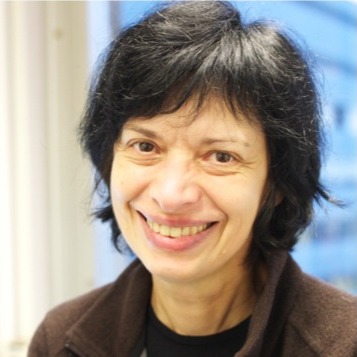
Profile
Pascale Romby is Emeritus Research Director at the CNRS since July 2025. She led the team “Messenger RNA and Regulatory RNA in Bacteria” team from 2004 to 2025 within the “RNA Architecture and Reactivity” research unit (UPR9002 CNRS) at the Institute of Molecular and Cellular Biology (IBMC).
A biochemist and molecular biologist by training, Pascale Romby completed her studies in Paris and at the University of Strasbourg (formerly Louis Pasteur University). She joined the laboratory of Professor Jean-Pierre Ebel, where she defended her doctoral thesis in 1983 and then her “Doctorat d’Etat” in 1986 under the supervision of Dr. Richard Giegé (IBMC, Strasbourg). Through her collaborations, she uncovered the roles played by the sequence, the RNA modifications, and the tRNA structure not only in the decoding of genetic information and protein biosynthesis but also in their non-canonical functions. The study of the links between RNA structure and function has been a driving force throughout her career.
In 1987, she was recruited at the CNRS as a researcher in the team led by Dr. Chantal Ehresmann and Prof. Bernard Ehresmann, whose main focus was the study of the bacterial ribosome. After contributing to projects on translation initiation and the study of ribosomal components, such as 5S rRNA, she shifted her focus to the role of mRNA structure in the regulation of translation in Escherichia coli, notably in collaboration with Dr. Mariane Grunberg-Manago and Dr. Mathias Springer (IBPC). In 2005, encouraged by Professor Eric Westhof (director of the CNRS research unit “Architecture and Reactivity of RNA” 2005-2016), she established her own team dedicated to the study of “regulatory RNAs and bacterial mRNAs” across diverse bacteria species. Her work aimed to compare regulatory mechanisms at the translational and post-transcriptional levels, as well as adaptation strategies among phylogenetically distant species. In collaboration with Professor François Vandenesch (CIRI, Lyon), her team pioneered the mapping of regulatory networks involving numerous RNAs in the pathogenic bacterium Staphylococcus aureus. These networks link central metabolism, cell density, carbon source selection, metal deficiency responses, biofilm and capsule formation, to the expression of virulence factors. Their research also elucidated the dynamics of these networks and their influence on bacterial population behavior in diverse contexts (e.g., stress, host-pathogen interaction, infection models). Additionally, they identified promising therapeutic targets, explored uncharacterized regions of the S. aureus genome (small RNAs, sORFs, RNA-recognizing proteins, etc.), and, more recently, investigated the impact of epitranscriptomics on S. aureus pathophysiology. Their expertise has fostered numerous collaborations and enhanced international visibility.
The national and international recognition of her work is evident through frequent invitations to international conferences, the organization of international scientific meetings, and several distinctions, including the CNRS Silver Medal (2006) and the Louis Pasteur Medal (2018). Beyond her research activities, she has also played an active role in research evaluation and the coordination of long-term, structuring projects, particularly within the framework of the France Investments for the Future Programs. She also directed the CNRS research unit (UPR9002-ARN) at the IBMC from 2016 to 2023.
The latest winners
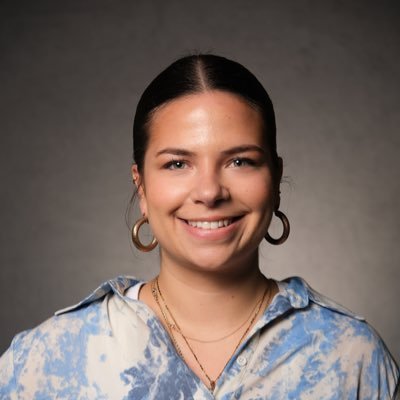
Charlotte Bellamy
Weill Cornell Medicine – New York City, USA

Anaïs Astier
Centre de Biologie Intégrative (CBI) – Toulouse
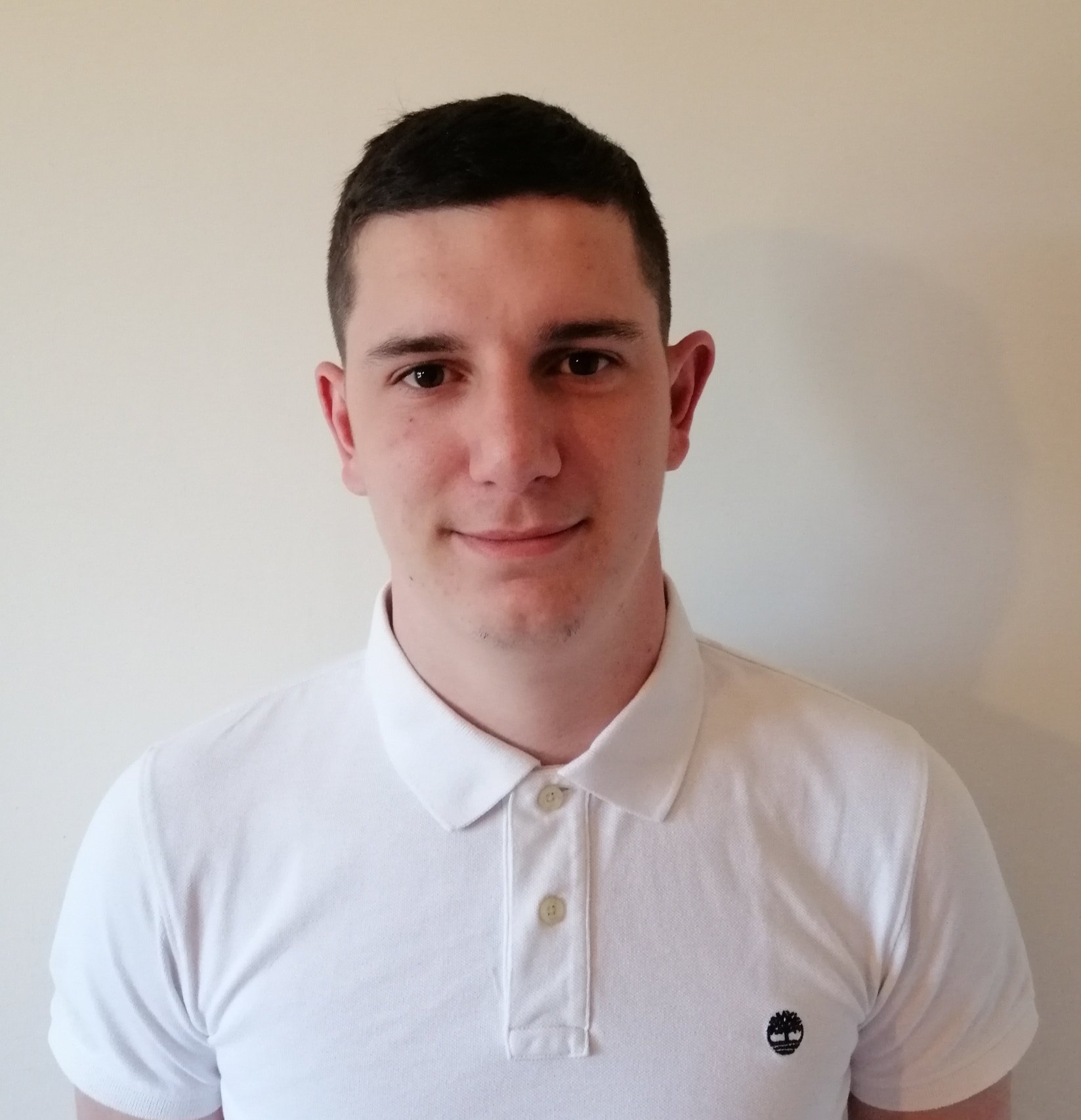
Hugo Millat
IBCP – Lyon
Maximilian Kohl
IBMC (CNRS/Strasbourg University) – Strasbourg
Julius Martinkus
LISM (CNRS/Aix-Marseille Université)
Serhii Pankivskyi
SABNP laboratory (Université Évry Paris-Saclay)
Safa Boussouar
Bioenergetics and Protein Engineering (BIP) laboratory, Marseille
Morgane Roger-Margueritat
TIMC laboratory, Grenoble
Léa Prochasson and Makram Mghezzi-Habellah
Curie Institute and Sorbonne University, Paris
Maëliss Germain
Rennes University, BRM Lab. (Bacterial RNAs in Medicine)
Olga Kolosova
IGBMC, Strasbourg
Mélisse Hamidi
Institute of Molecular Microbiology and Structural Biochemistry, Lyon

Zhao Jiangfeng
EMBL, Grenoble
Robine Maffo Woulefack
Sciences and Technologies Faculty,Vandoeuvre-les-Nancy
Alexia Godet
Université d’Aarthus, Danemark
Veronica Nuccetteli et Makram Mghezzi
Biology et Cell Modelisation Lab., ENS, Lyon and IBCP, Lyon

Akandé Eyitayo
IBGC, CNRS, Bordeaux University
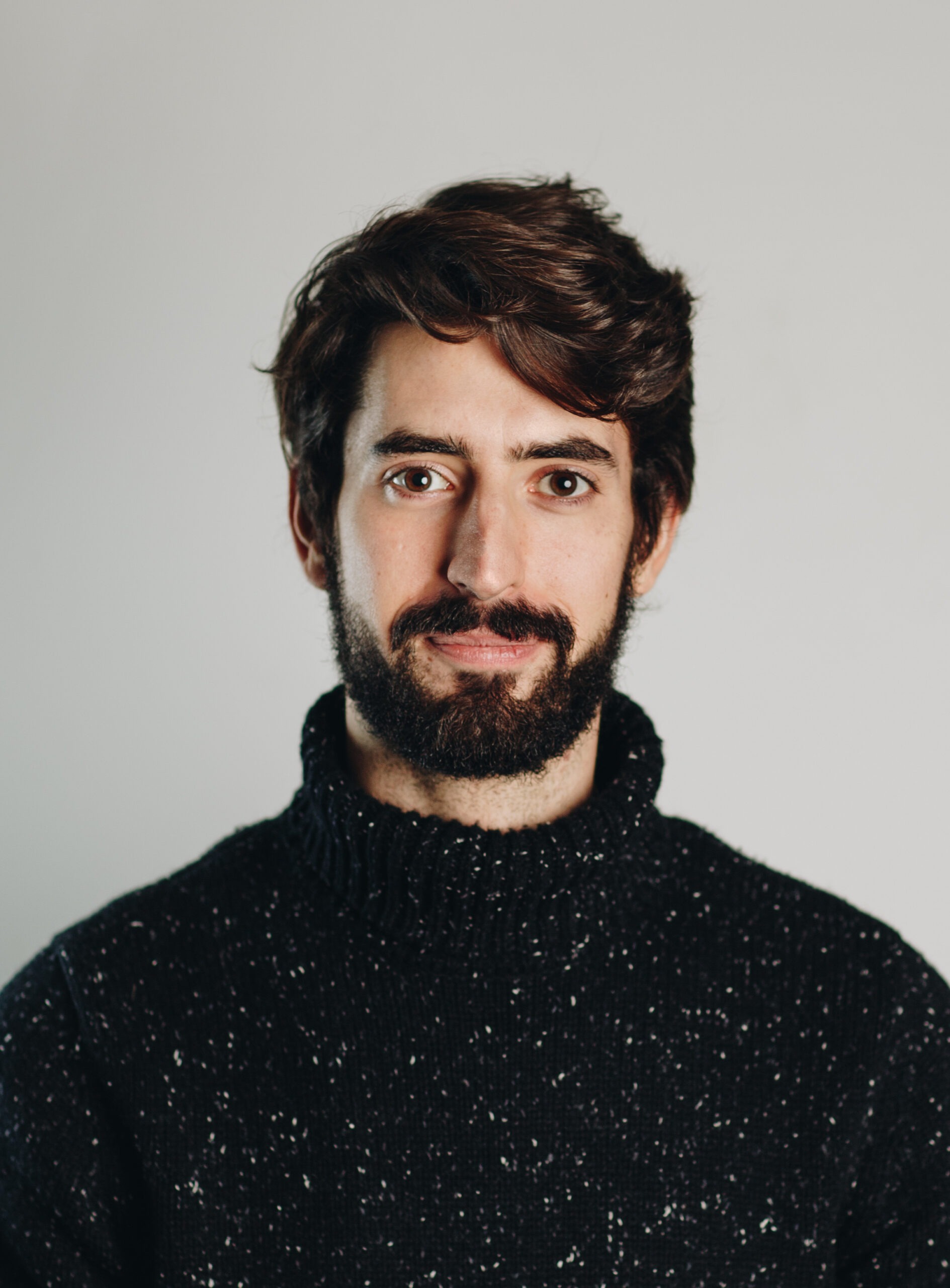
Markel Martinez-Carranza
Pasteur Institute, Paris
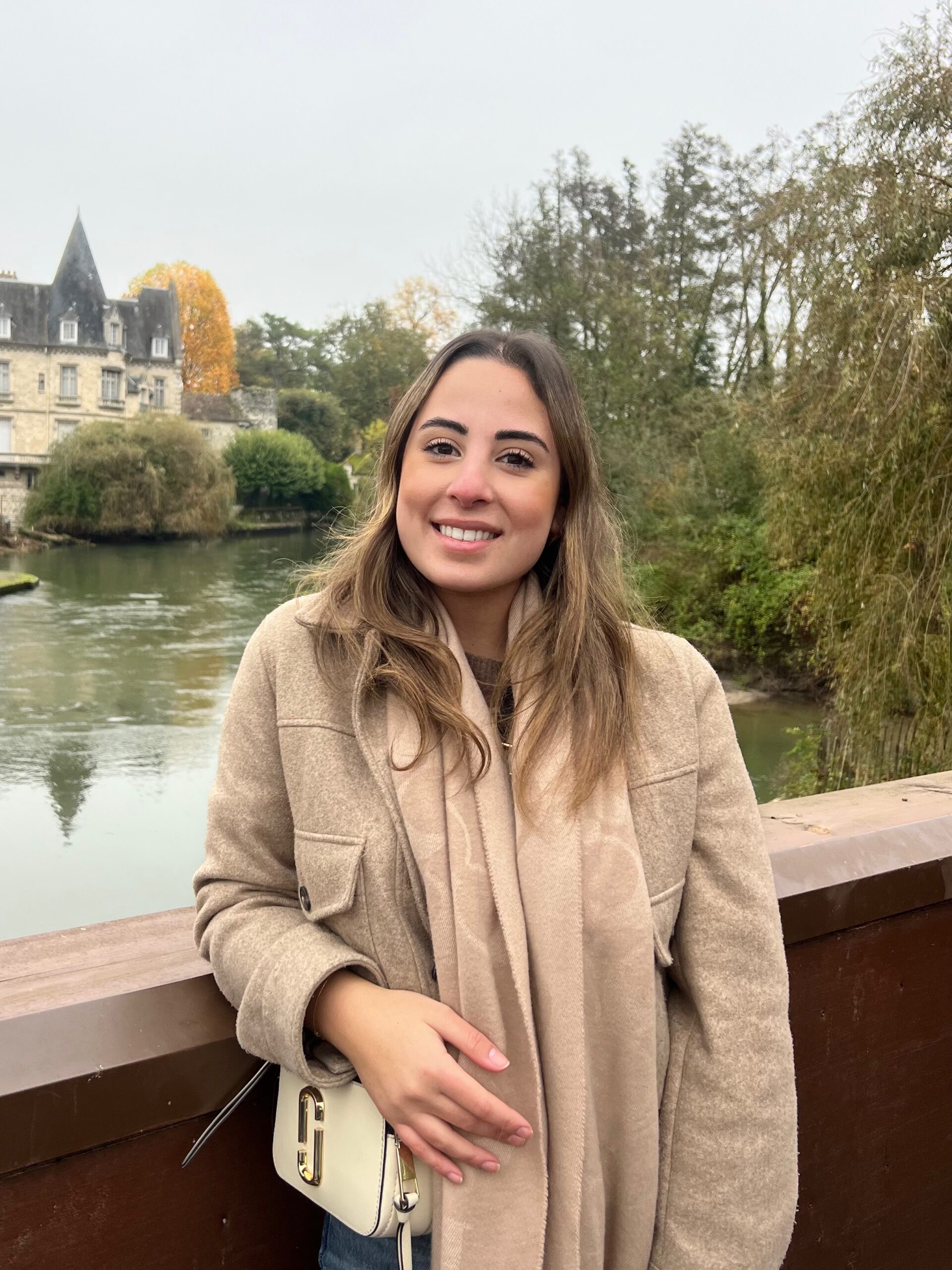
Nour Ayoub
Institut Pasteur Paris, UPCité and INSERM UMRS-1124, Paris
Charlotte Bellamy
Weill Cornell Medicine – New York City, USA
“Article of the month” award September 2026

Anaïs Astier
Centre de Biologie Intégrative (CBI) – Toulouse
“Article of the month” award June 2026
Hugo Millat
IBCP – Lyon
“Article of the month” award June 2026
Maximilian Kohl
IBMC (CNRS/Strasbourg University) – Strasbourg
“Article of the month” award May 2026
Julius Martinkus
LISM (CNRS/Aix-Marseille Université)
“Article of the month” award April 2026
Serhii Pankivskyi
SABNP laboratory (Université Évry Paris-Saclay)
“Article of the month” award March 2026
Safa Boussouar
Bioenergetics and Protein Engineering (BIP) laboratory, Marseille
“Article of the month” award February 2026
Morgane Roger-Margueritat
TIMC laboratory, Grenoble
“Article of the month” award January 2026
Léa Prochasson and Makram Mghezzi-Habellah
Curie Institute and Sorbonne University, Paris
“Article of the month”award December 2025
Maëliss Germain
Rennes University, BRM Lab. (Bacterial RNAs in Medicine)
“Article of the Month” November 2025
Olga Kolosova
IGBMC, Strasbourg
“Article of the Month” award October 2025
Mélisse Hamidi
Institute of Molecular Microbiology and Structural Biochemistry, Lyon
“Article of the Month” award September 2025
Zhao Jiangfeng
EMBL, Grenoble
“Article of the Month” award July and August 2025
Robine Maffo Woulefack
Sciences and Technologies Faculty,Vandoeuvre-les-Nancy
“Article of the Month” award June 2025
Alexia Godet
Université d’Aarthus, Danemark
“Article of the month” May 2025
Veronica Nuccetteli et Makram Mghezzi
Biology et Cell Modelisation Lab., ENS, Lyon and IBCP, Lyon
“Article of the Month” award April 2025
Akandé Eyitayo
IBGC, CNRS, Bordeaux University
“Article of the month” March 2025
Markel Martinez-Carranza
Pasteur Institute, Paris
“Article of the Month” award February 2025
“Article of the Year” award 2025
Nour Ayoub
Institut Pasteur Paris, UPCité and INSERM UMRS-1124, Paris
“Article of the Month” award January 2025

Claire Husser
CNRS, UPR 9002, Architecture & Reactivity of RNA
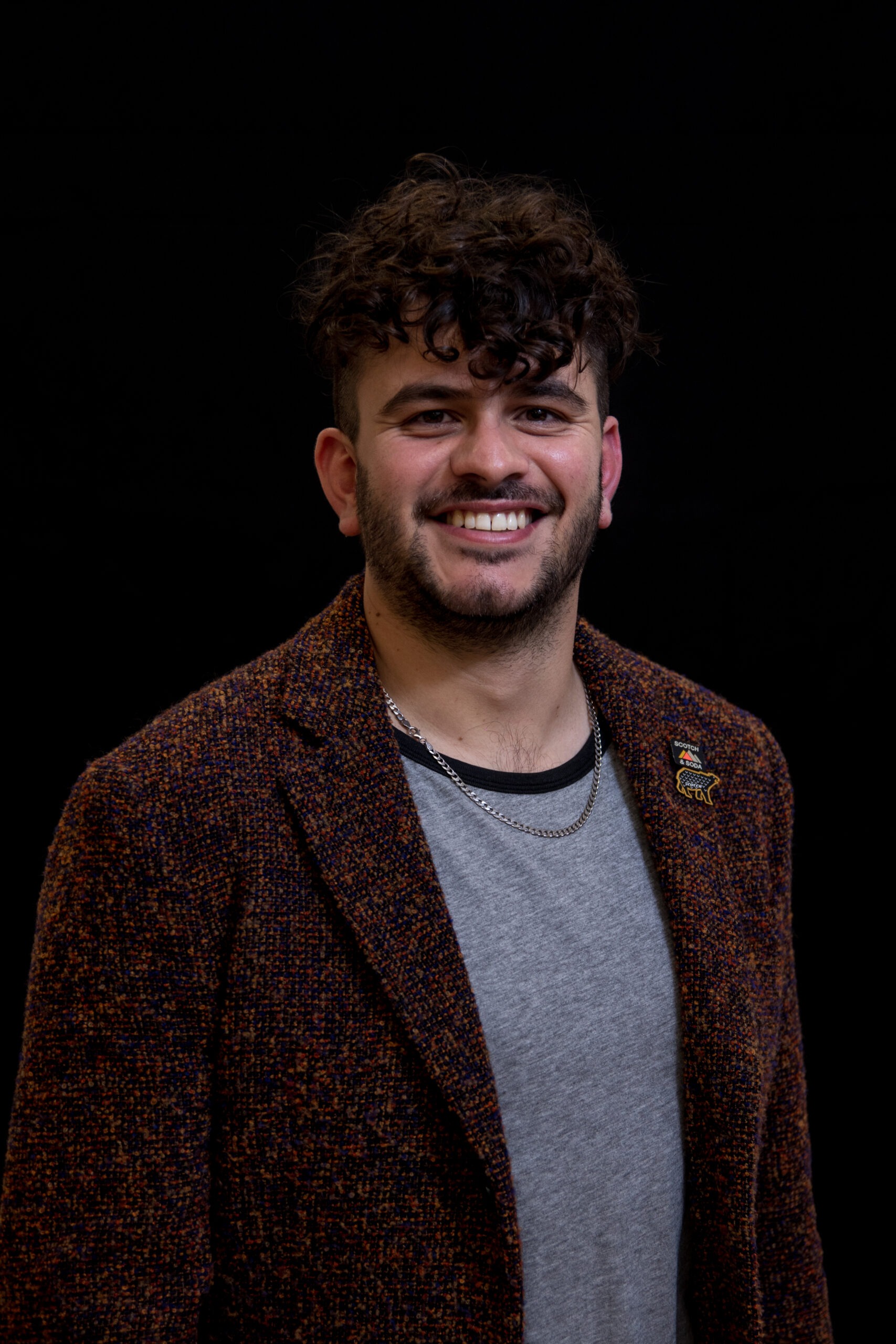
Mickaël Guérin
CNRS, UMR7025, Génie Enzymatique et Cellulaire
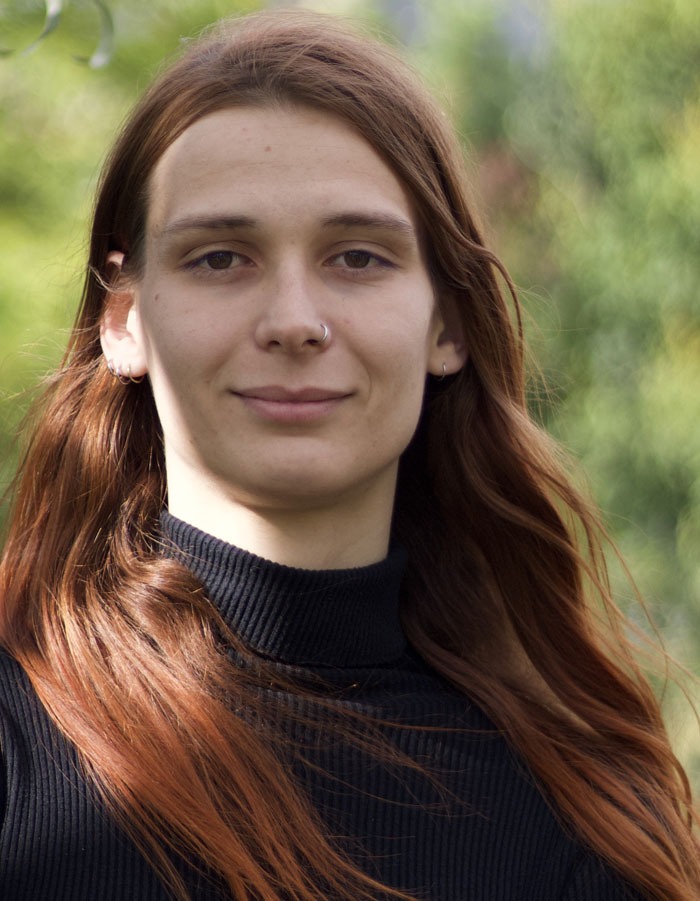
Aria Gheeraeart
INSERM, Paris

Pauline Herviou
Institut Beatson, Glasgow
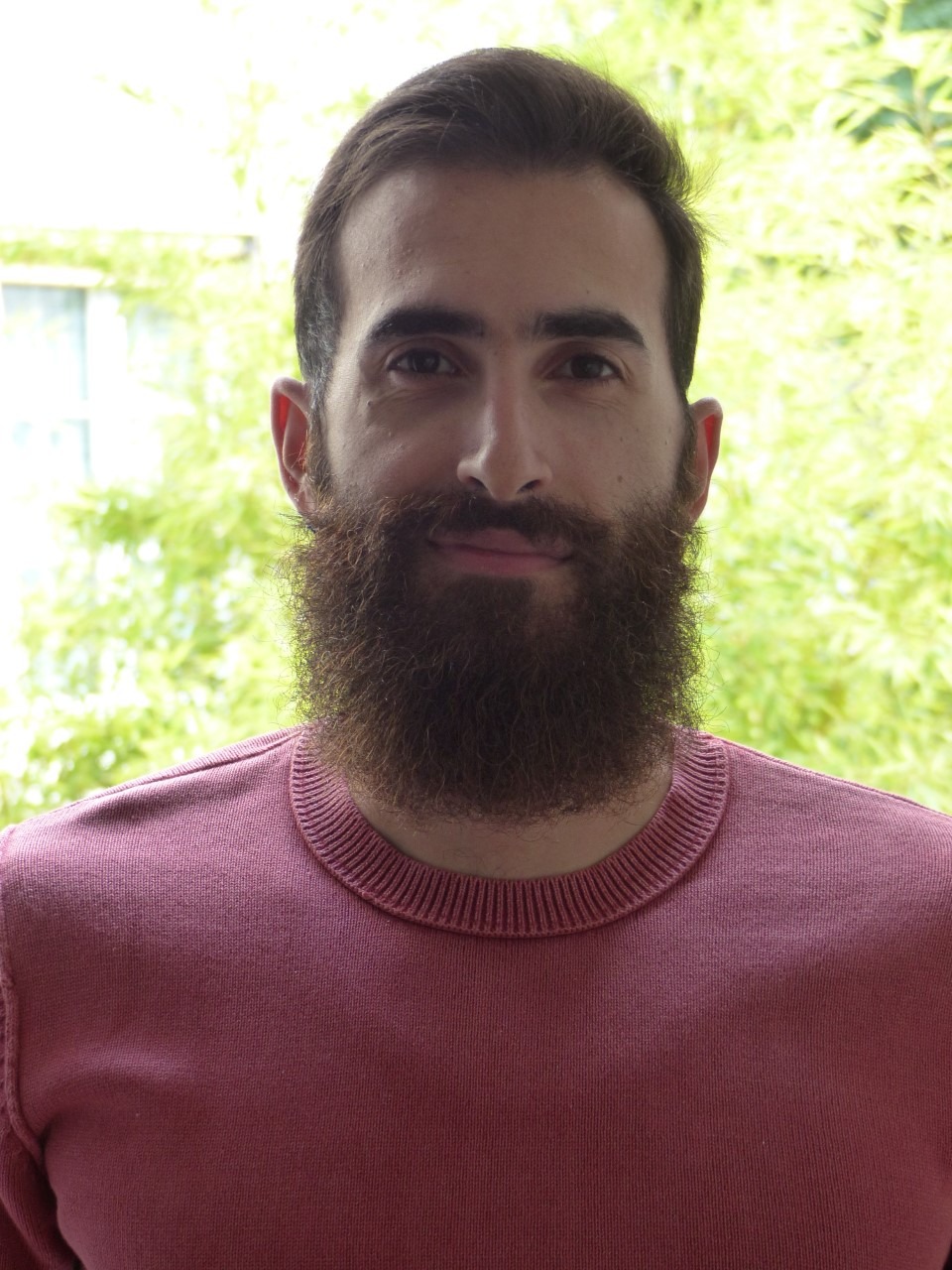
Charbel Alfeghali
Laboratoire d’Ingénierie Moléculaire et Physiopathologie Articulaire (IMoPA), Nancy
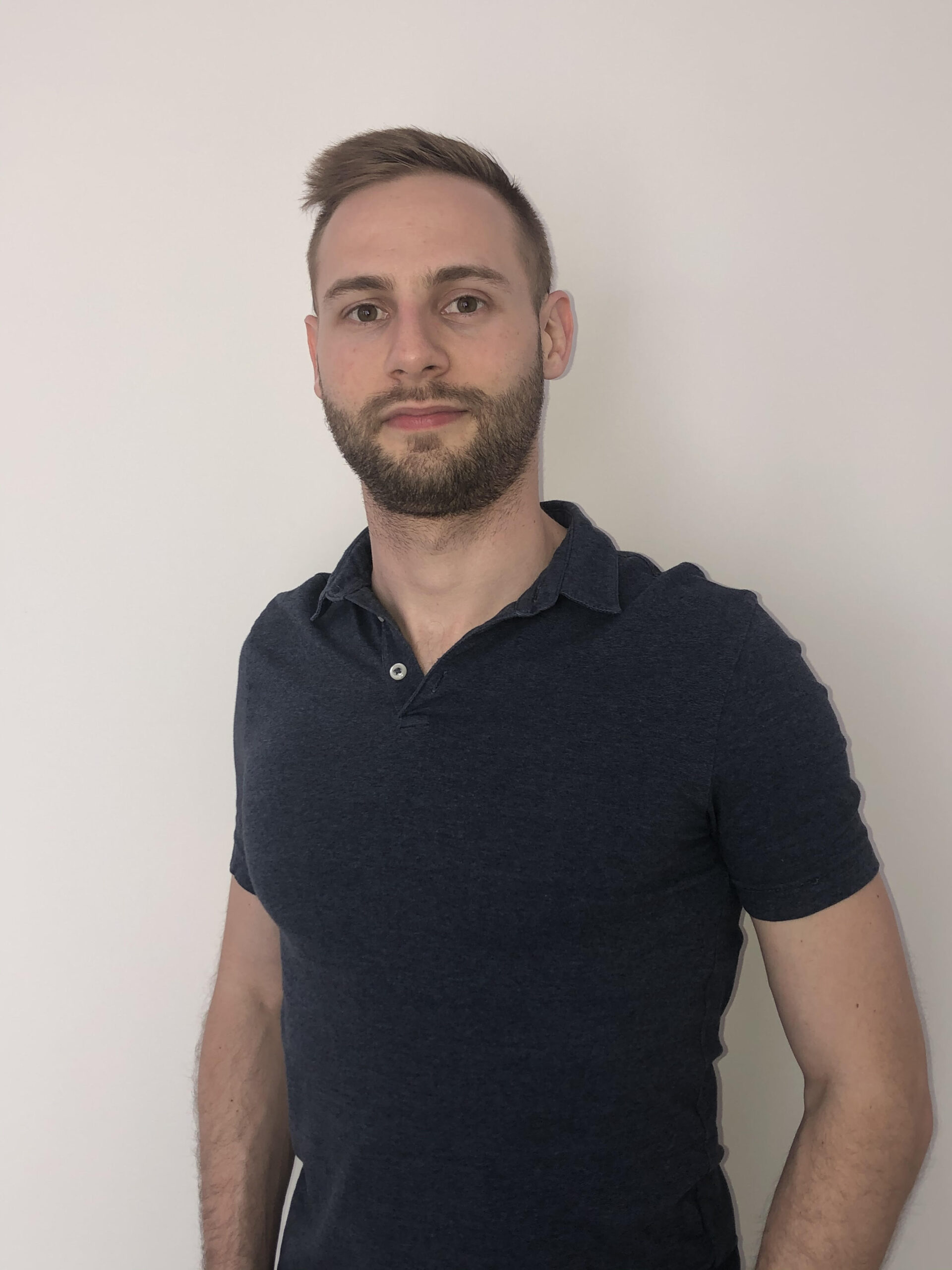
Yoann Santin
Institut de Duve, Bruxelles
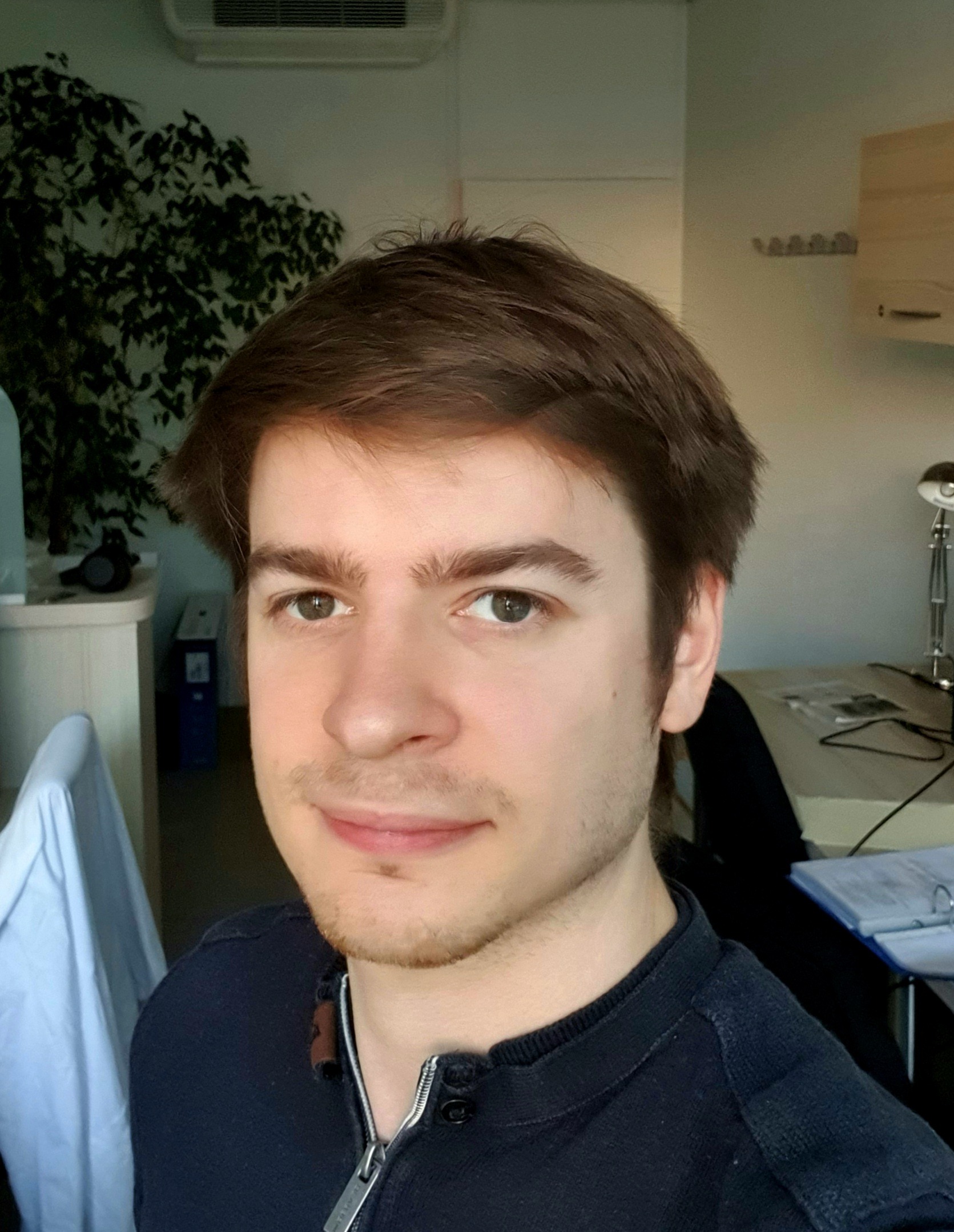
Florent Waltz
Université de Strasbourg
Juliette Fédry
Institut Pasteur, Paris
Clément Charenton
École Polytechnique, Palaiseau
Thomas Eychenne
CEA, Saclay
Claire Husser
CNRS, UPR 9002, Architecture & Reactivity of RNA
Dina Surdin award 2026
Mickaël Guérin
CNRS, UMR7025, Génie Enzymatique et Cellulaire
Dina Surdin award winner 2025
Aria Gheeraeart
INSERM, Paris
Dina Surdin award 2024
Pauline Herviou
Institut Beatson, Glasgow
Dina Surdin award 2023
Charbel Alfeghali
Laboratoire d’Ingénierie Moléculaire et Physiopathologie Articulaire (IMoPA), Nancy
Dina Surdin award 2022
Yoann Santin
Institut de Duve, Bruxelles
Dina Surdin award 2021
Florent Waltz
Université de Strasbourg
Dina Surdin award 2020
Juliette Fédry
Institut Pasteur, Paris
Dina Surdin award 2019
Clément Charenton
École Polytechnique, Palaiseau
Dina Surdin award 2018
Thomas Eychenne
CEA, Saclay
Dina Surdin award 2017
Apply for the Dina Surdin Award
Applications must be submitted in March. The exact deadline is announced each year by email.
Documents to be submitted:
Downloadable application guidelines document below, thesis manuscript, examiners’ reports, and a one-page CV (maximum).
Applications received after the deadline will not be considered.
Virginie Marcel
UMR INSERM 1052, Cancérologies Research Center, Centre Léon Bérard, Lyon
Pascale Romby
CNRS, UPR 9002, ARN “RNA Architecture and Reactivity”, IBMC, Strasbourg
Pascale Lesage
CNRS et équipe de Biologie de l’instabilité des génomes, Paris
Carine Tisné
IBPC, Paris
Virginie Marcel
UMR INSERM 1052, Cancérologies Research Center, Centre Léon Bérard, Lyon
Marianne Grunberg-Manago award 2026
Pascale Romby
CNRS, UPR 9002, ARN “RNA Architecture and Reactivity”, IBMC, Strasbourg
Marianne Grunberg-Manago award 2025
Pascale Lesage
CNRS et équipe de Biologie de l’instabilité des génomes, Paris
Marianne Grunberg-Manago award 2024
Carine Tisné
IBPC, Paris
Marianne Grunberg-Manago award 2023
Apply for the Marianne Grunberg-Manago Award
Applications must be submitted by email to martin.picard@ibpc.fr as a single PDF. The exact deadline will be announced annually via email.
Required Documents: a cover letter, a full CV with a complete list of publications, and a description of the candidate’s achievements, as described in the downloadable application guidelines below, together with a condensed two-page version of the CV.
Any application received after the specified deadline will not be considered.
Etienne BLANC
Institute for Research in Health, Environment and Work – INSERM UMRS 1035 – Rennes
Laure-Emmanuelle Zaragosi
Inserm, IPMC, Sophia-Antipolis
Maxime Wery
Institut Curie, Paris
Tamara Basta-Le-Berre
CNRS, UMR9198, Institut de Biologie Intégrative de la Cellule (I2BC), Gif-sur-Yvette
Ludovic Pelosi
Laboratoire UGA (Groupe Quinones Respiratoires), Grenoble
Cyril Bourgeois
ENS, Lyon
Célia Plisson-Chastang
CNRS, UMR 5099, Toulouse
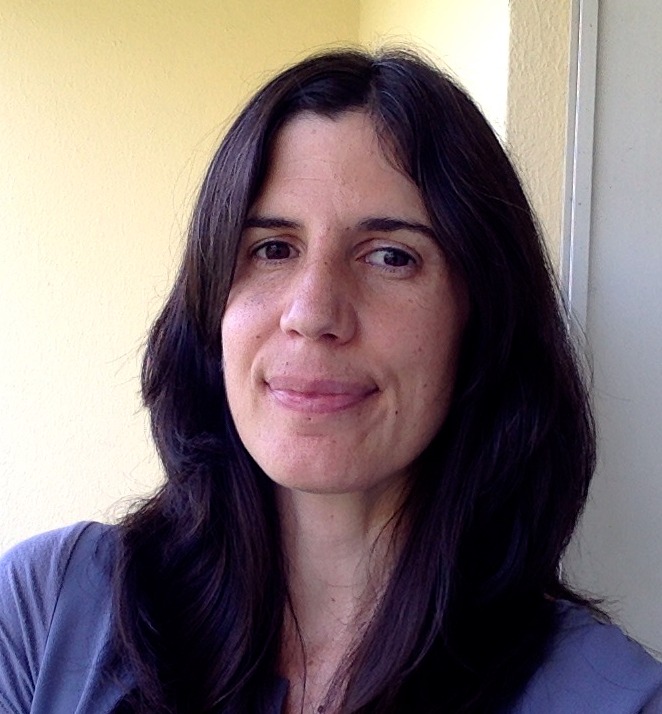
Odil Porrua
CNRS, UMR7592 (Institut Jacques Monod), Paris
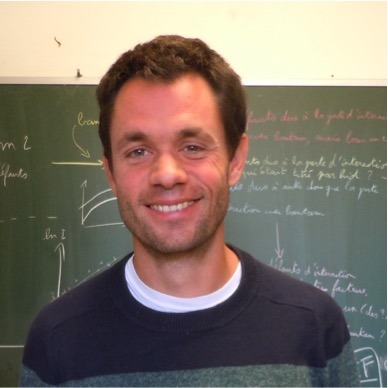
Hervé Seitz
CNRS, UMR 9002 (Institut de génétique humaine), Montpellier
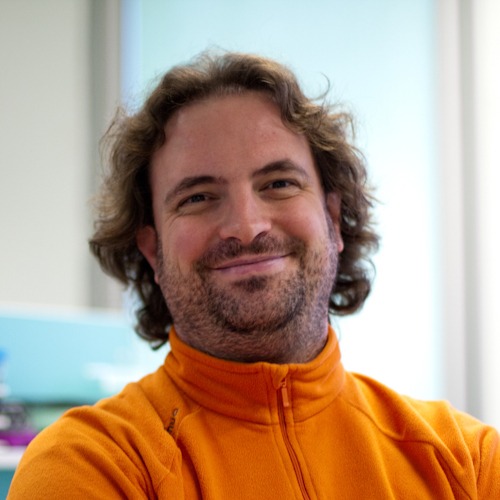
Michaël Ryckelynck
Biologie Digitale de l’ARN, UPR 9002, Architecture et réactivité de l’ARN, IBMC, Strasbourg.
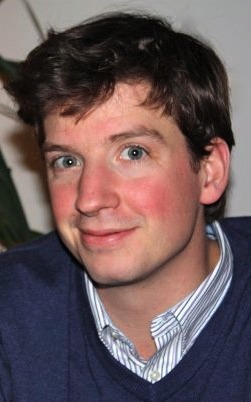
Martin PICARD
CNRS UMR 7099, Laboratoire de Biologie Physico-chimique des protéines membranaires, IBPC
Etienne BLANC
Institute for Research in Health, Environment and Work – INSERM UMRS 1035 – Rennes
Maurice Nicloux Award 2026
Laure-Emmanuelle Zaragosi
Inserm, IPMC, Sophia-Antipolis
Maurice Nicloux Award 2025
Maxime Wery
Institut Curie, Paris
Maurice Nicloux award 2024
Tamara Basta-Le-Berre
CNRS, UMR9198, Institut de Biologie Intégrative de la Cellule (I2BC), Gif-sur-Yvette
Maurice Nicloux award 2023
Ludovic Pelosi
Laboratoire UGA (Groupe Quinones Respiratoires), Grenoble
Maurice Nicloux award 2022
Cyril Bourgeois
ENS, Lyon
Maurice Nicloux award 2021
Célia Plisson-Chastang
CNRS, UMR 5099, Toulouse
Maurice Nicloux award 2020
Odil Porrua
CNRS, UMR7592 (Institut Jacques Monod), Paris
Maurice Nicloux award 2019
Hervé Seitz
CNRS, UMR 9002 (Institut de génétique humaine), Montpellier
Maurice Nicloux award 2018
Michaël Ryckelynck
Biologie Digitale de l’ARN, UPR 9002, Architecture et réactivité de l’ARN, IBMC, Strasbourg.
Maurice Nicloux award 2017
Martin PICARD
CNRS UMR 7099, Laboratoire de Biologie Physico-chimique des protéines membranaires, IBPC
Maurice Nicloux award 2016
Apply for the Maurice Nicloux Award
Applications must be submitted by March of each year. The exact deadline will be announced annually via email.
Required Documents:
Updated CV with a summary of the candidate’s work and publications, formatted according to the downloadable application guidelines below, together with a condensed two-page version.
Any application received after the specified deadline will not be considered.
Our scientific awards
“Article of the Month” award
Honors a young researcher for a paper published in a peer-reviewed journal.
Dina Surdin award
Rewards a young researcher for an outstanding PhD thesis in biochemistry or molecular biology.
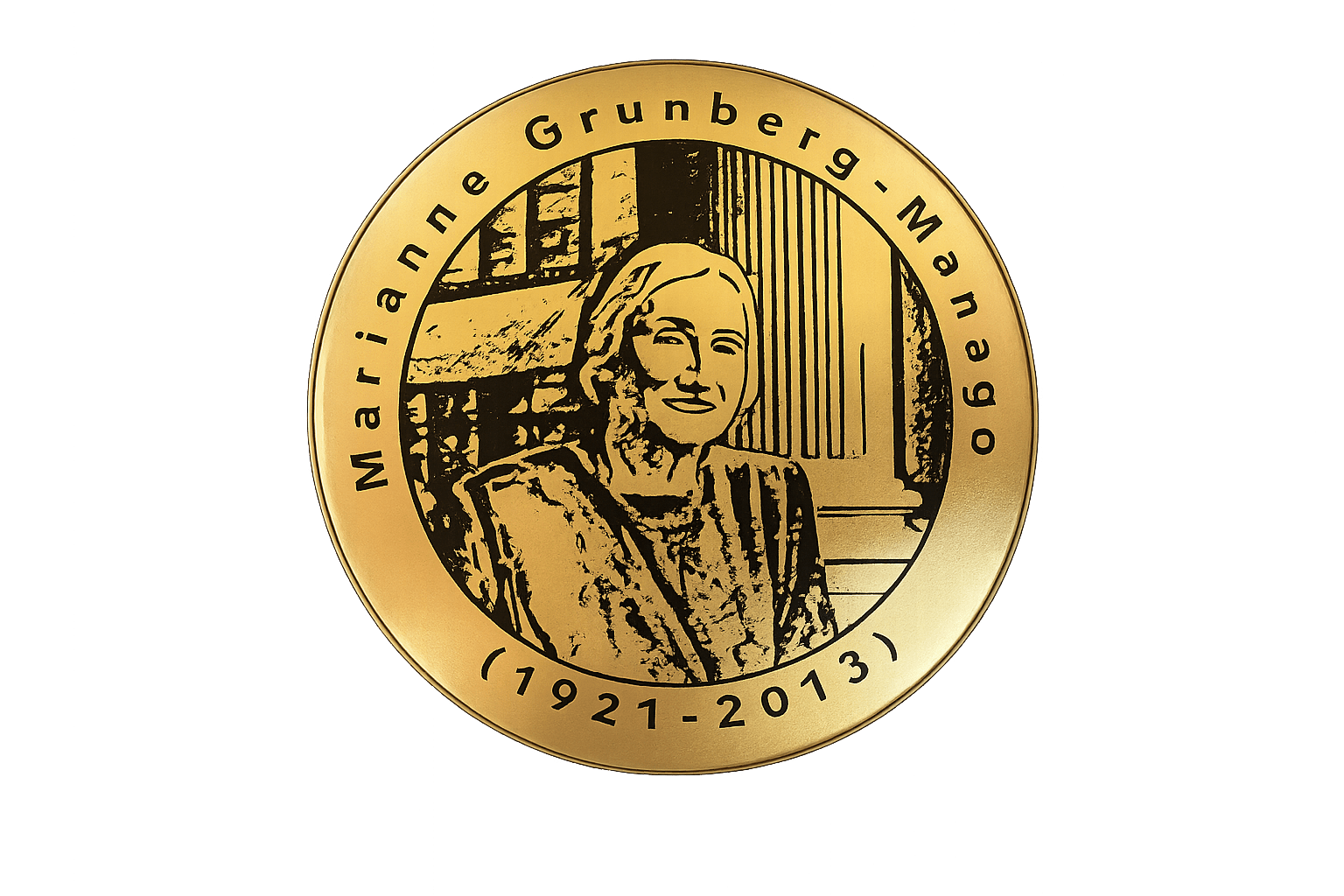
Marianne Grunberg-Manago Award
Honors a woman who has made an outstanding contribution to public research, recognized for the significance of her work and her impact in her scientific field.
Maurice Nicloux award
Honors an established researcher for their overall contribution to the scientific community and to research in biochemistry or molecular biology.