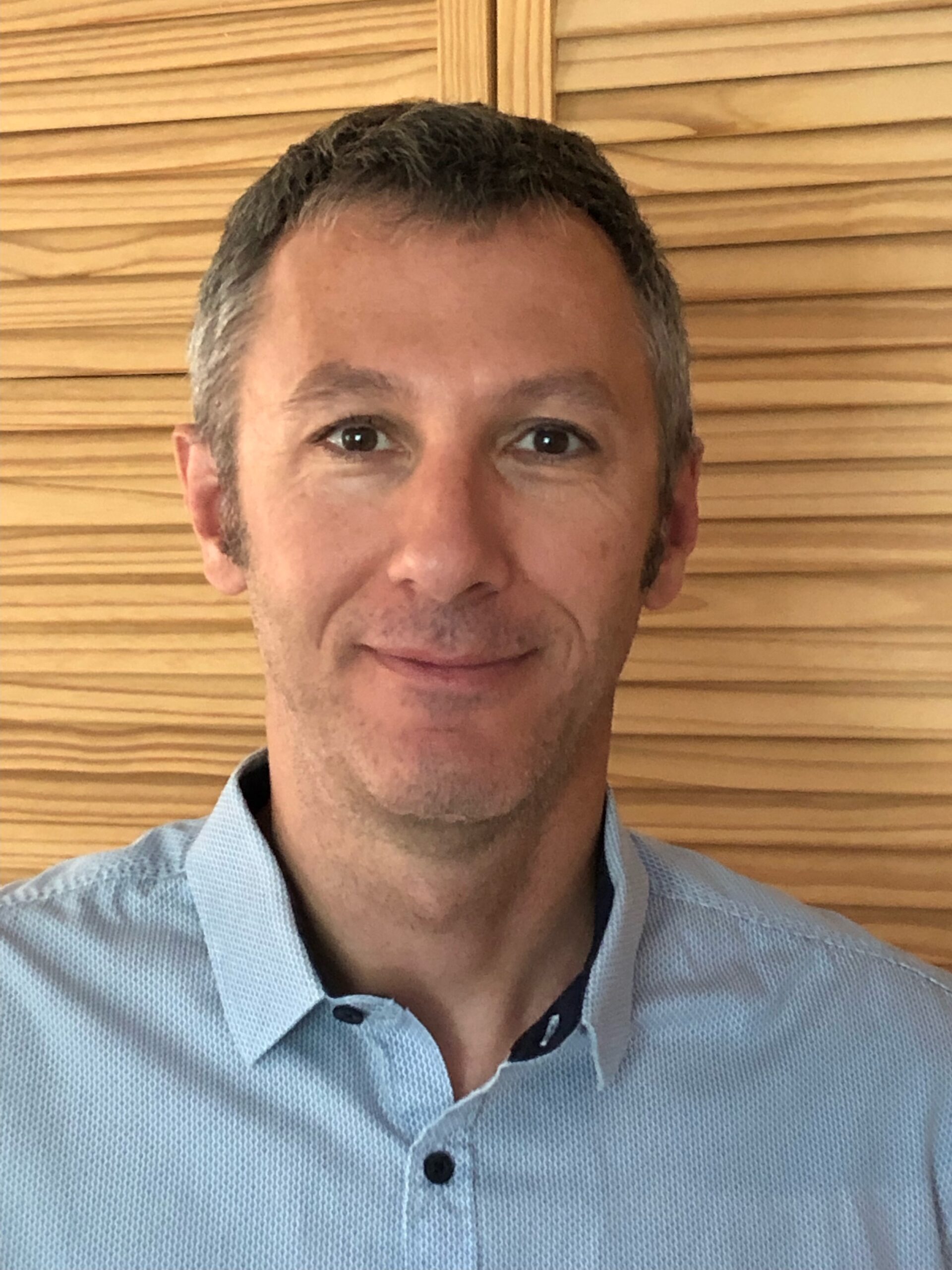
Ludovic Pelosi
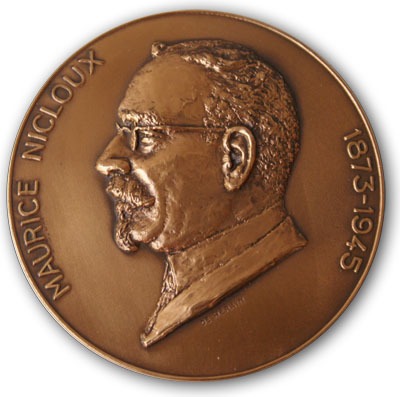
Maurice Nicloux award winner 2022
Profile
Between 1999 and 2002, Ludovic Pelosi completed his PhD on the characterization of membrane complexes involved in the biosynthesis of cell wall polysaccharides in plants and fungi. His research was conducted at the Centre de Recherches sur les Macromolécules Végétales in Grenoble under the supervision of Professor Vincent Bulone.
From 2002 to 2005, he continued his study of membrane proteins and expanded his training in molecular biology during two postdoctoral fellowships (at the Université Libre de Bruxelles and CNRS in Grenoble).
In September 2005, he was appointed as a Maître de Conférences (Associate Professor) at Université Joseph Fourier in Grenoble, where he taught various disciplines, including biochemistry, structural biology, and microbiology. That same year, he joined Dr. Gérard Brandolin’s Mitochondrial Transporters team at the Laboratoire de Biochimie et Biophysique des Systèmes Intégrés at CEA Grenoble. His research focused on the structural study of nucleotide transporters (ADP/ATP) and iron transporters (mitoferrins) using two model systems: bovine heart and yeast. Additionally, he developed a technique to analyze conformational changes in mitochondrial transporters in detergent solutions or directly in organello, in collaboration with Dr. Éric Forest (Institut de Biologie Structurale de Grenoble). His findings led to a proposed model for the translocation of ADP and ATP across the inner mitochondrial membrane.
In 2014, he joined the TrEE (Translational microbial Evolution and Engineering) team at the TIMC laboratory (Translational Research and Innovation in Medicine and Complexity) in Grenoble. His research then focused on the mechanisms of isoprenoid quinone biosynthesis in yeast and certain bacteria. He contributed to the characterization of a new anaerobic biosynthetic pathway for ubiquinone (coenzyme Q) in Escherichia coli and Pseudomonas aeruginosa(2019 and 2020). His work led to the discovery of a new family of 4Fe-4S hydroxylases that use an organic alcohol group donor.
Since 2005, Ludovic Pelosi has balanced his career as a researcher and educator at Université Grenoble Alpes within the Chemistry and Biology Department. Additionally, he has been actively involved for many years in various national bodies, serving as an elected member of the Conseil National des Universités (CNU) in the 64th section and as an expert for the Haut Conseil de l’Évaluation de la Recherche et de l’Enseignement Supérieur (HCERES).
The latest winners
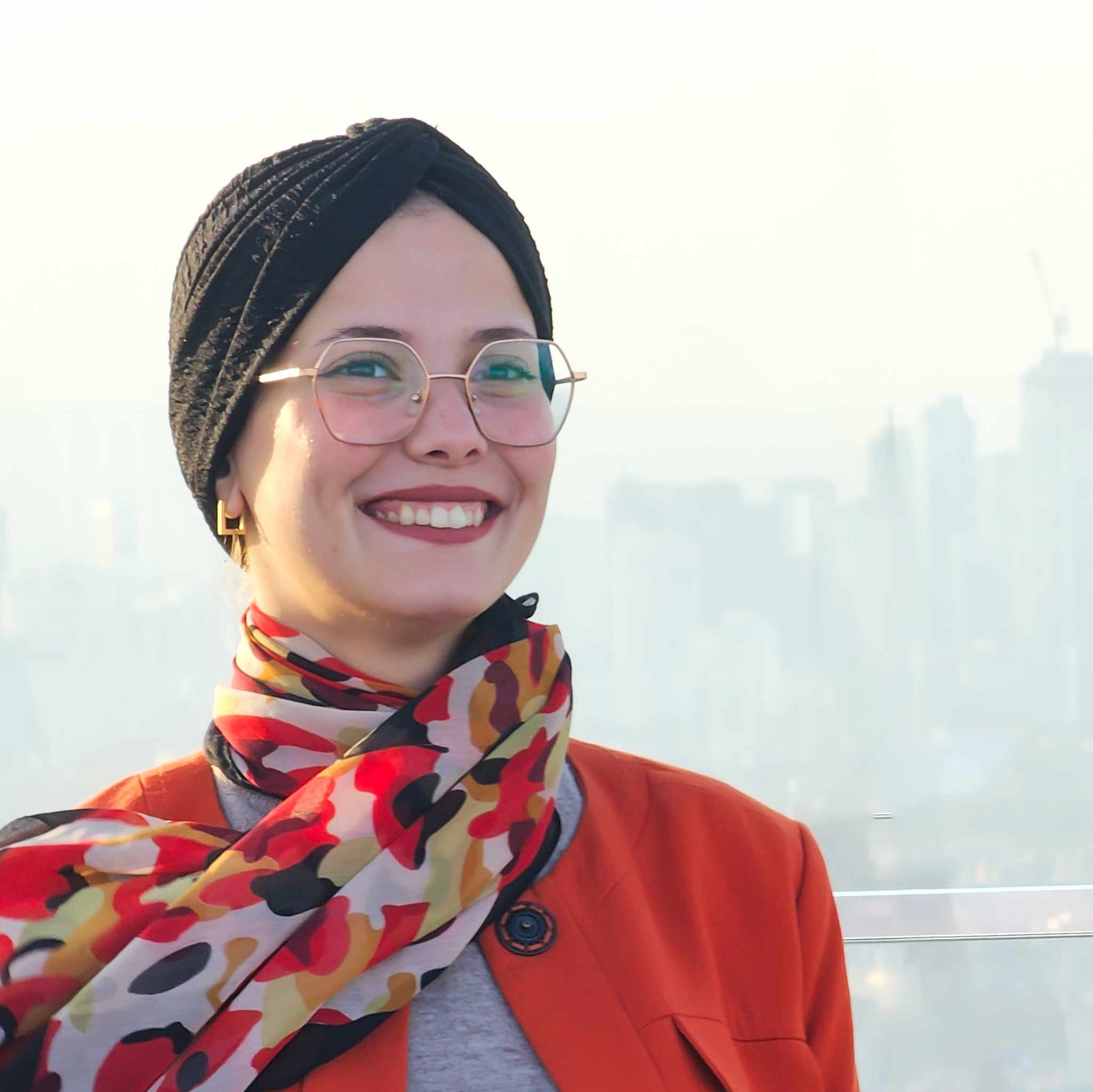
Safa Boussouar
Bioenergetics and Protein Engineering (BIP) laboratory, Marseille
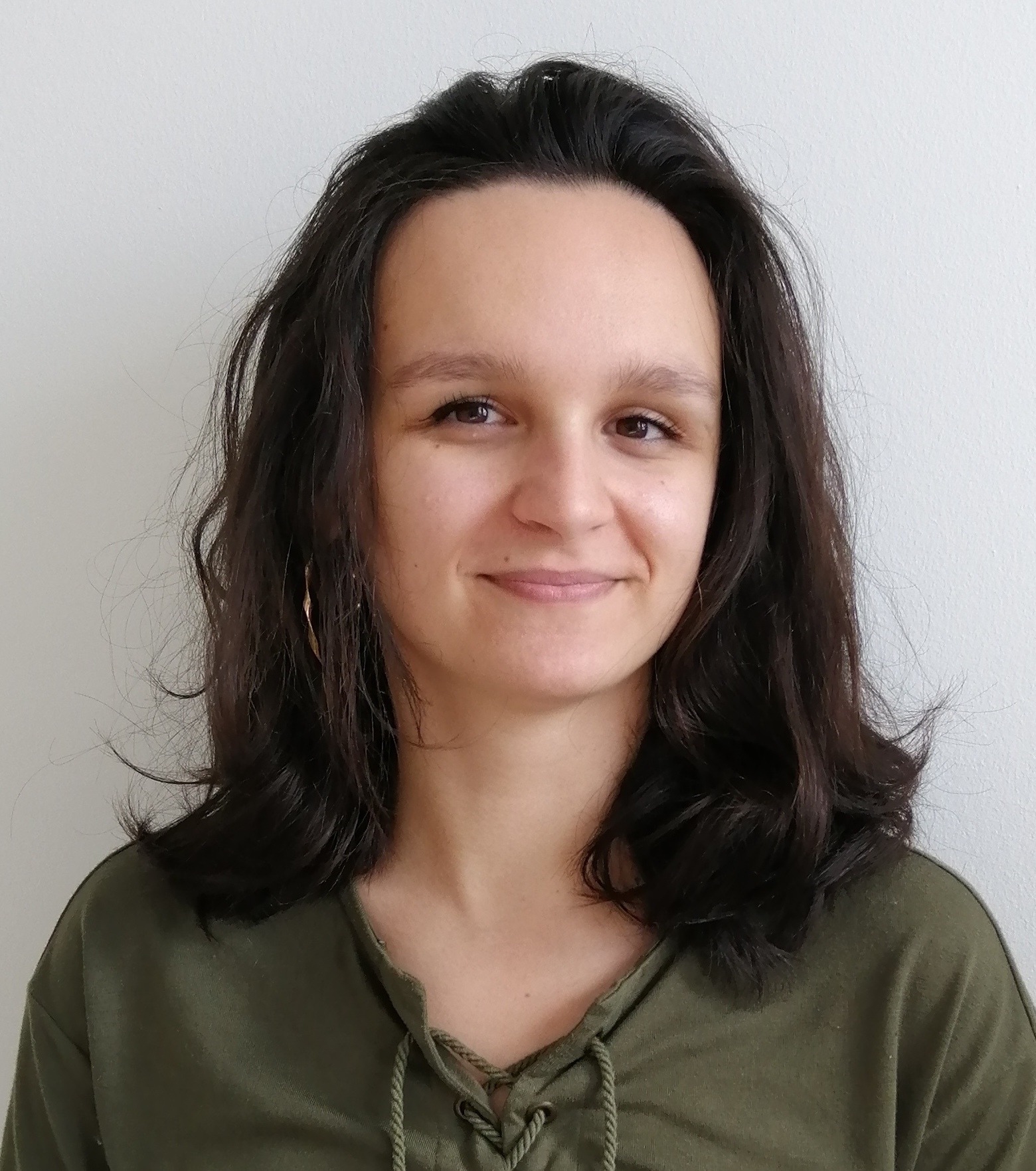
Morgane Roger-Margueritat
TIMC laboratory, Grenoble
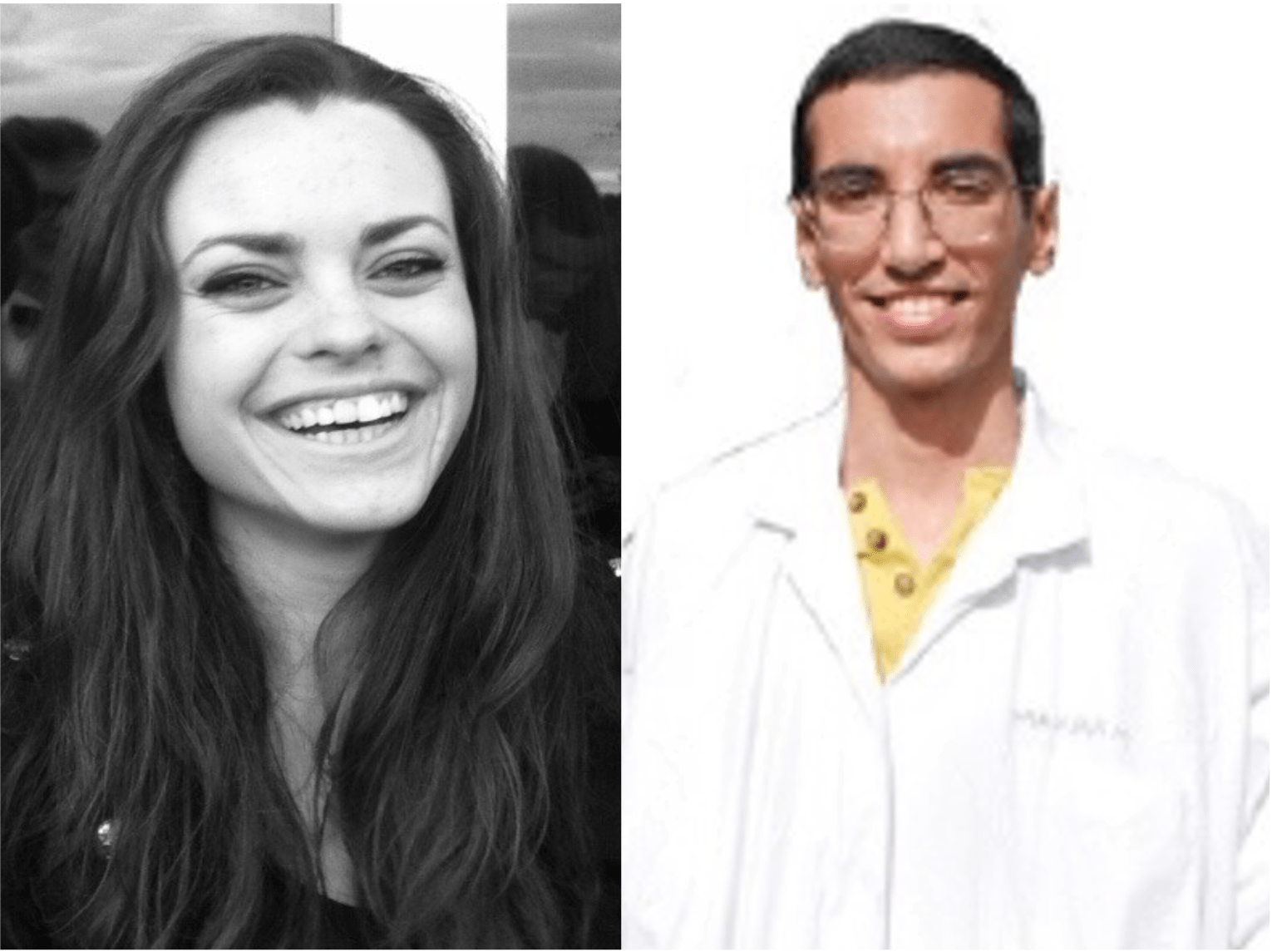
Léa Prochasson and Makram Mghezzi-Habellah
Curie Institute and Sorbonne University, Paris

Maëliss Germain
Rennes University, BRM Lab. (Bacterial RNAs in Medicine)
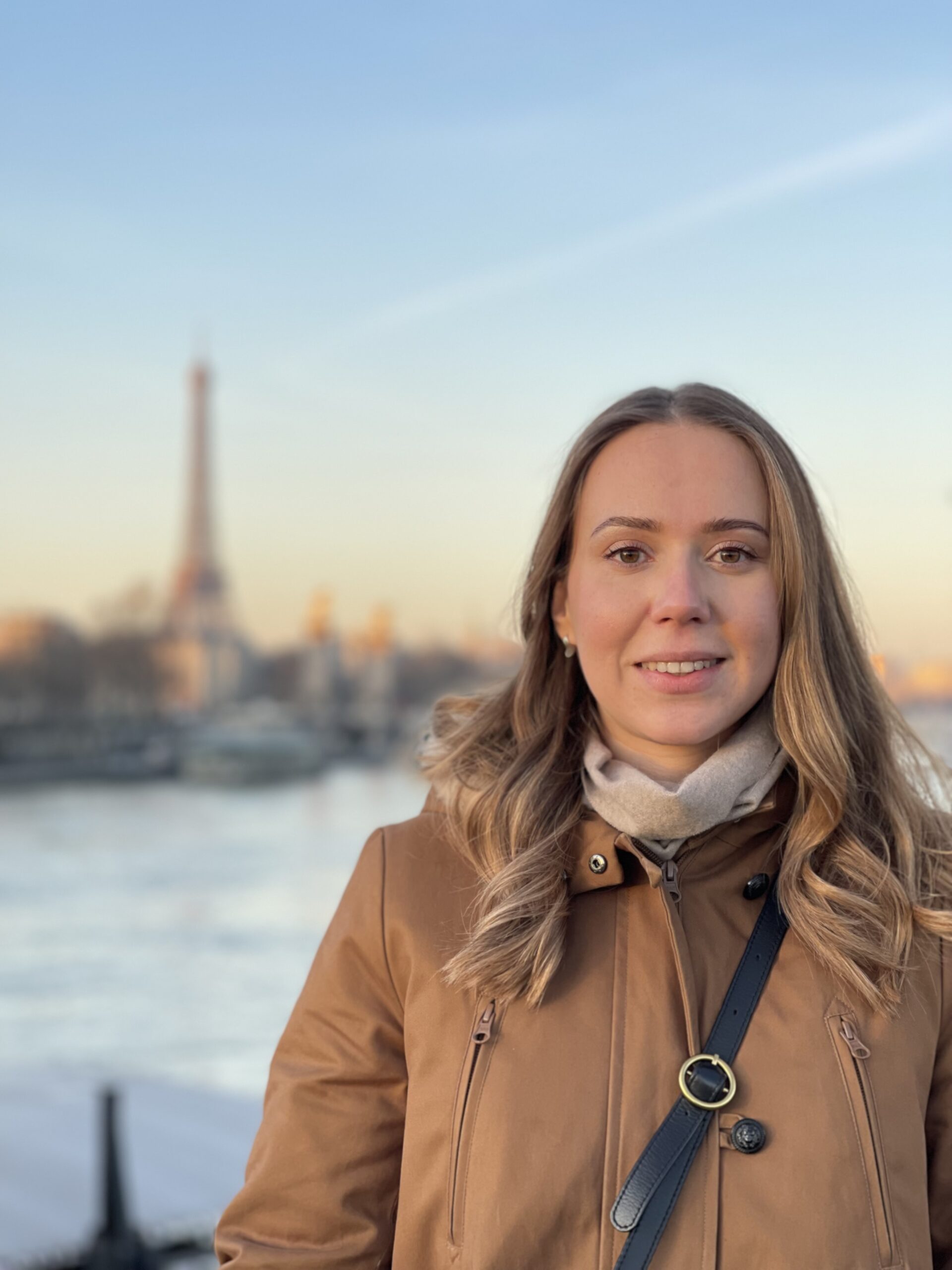
Olga Kolosova
IGBMC, Strasbourg
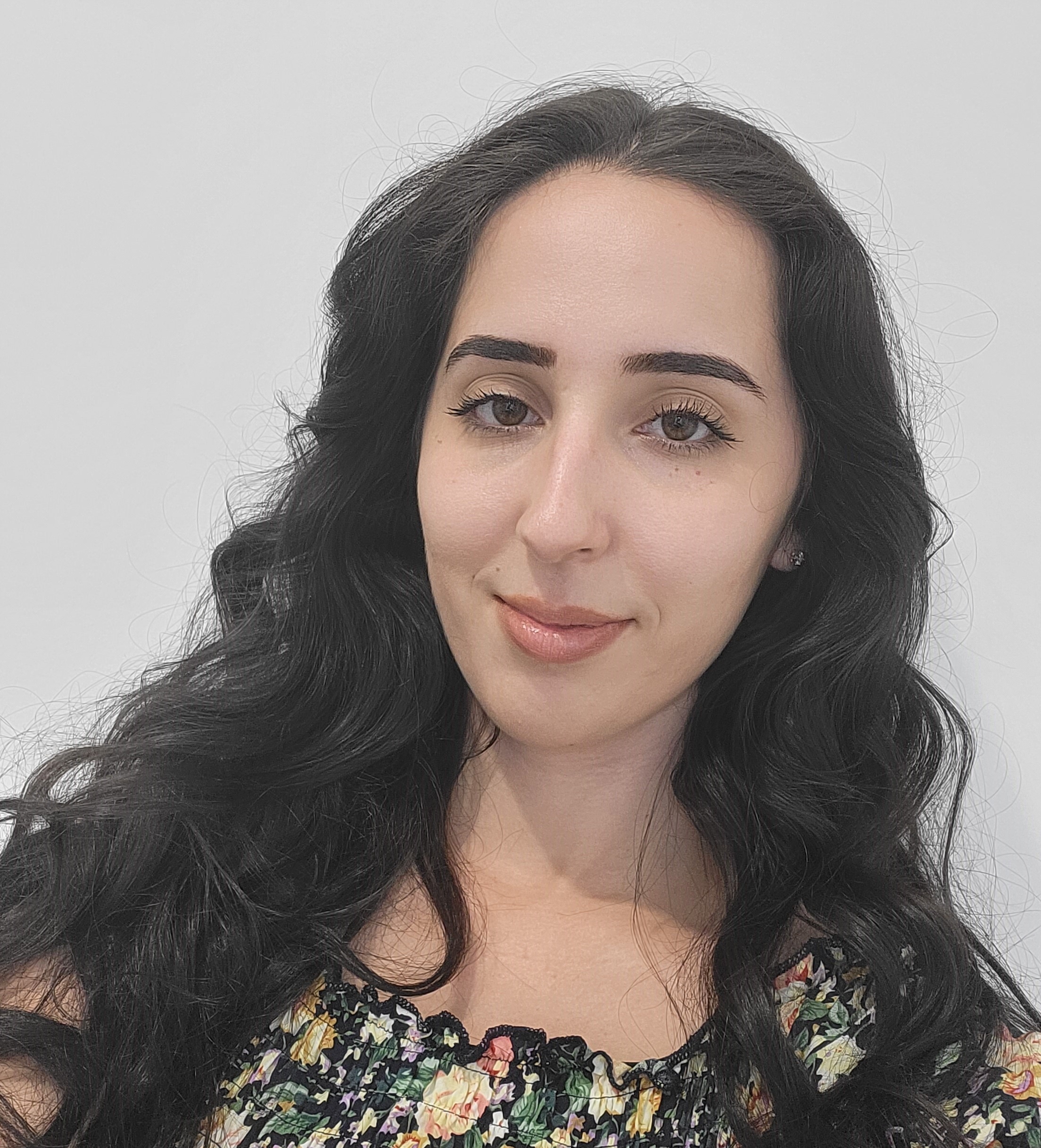
Mélisse Hamidi
Institute of Molecular Microbiology and Structural Biochemistry, Lyon

Zhao Jiangfeng
EMBL, Grenoble
Robine Maffo Woulefack
Sciences and Technologies Faculty,Vandoeuvre-les-Nancy
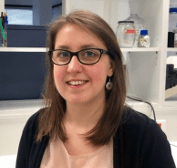
Alexia Godet
Université d’Aarthus, Danemark
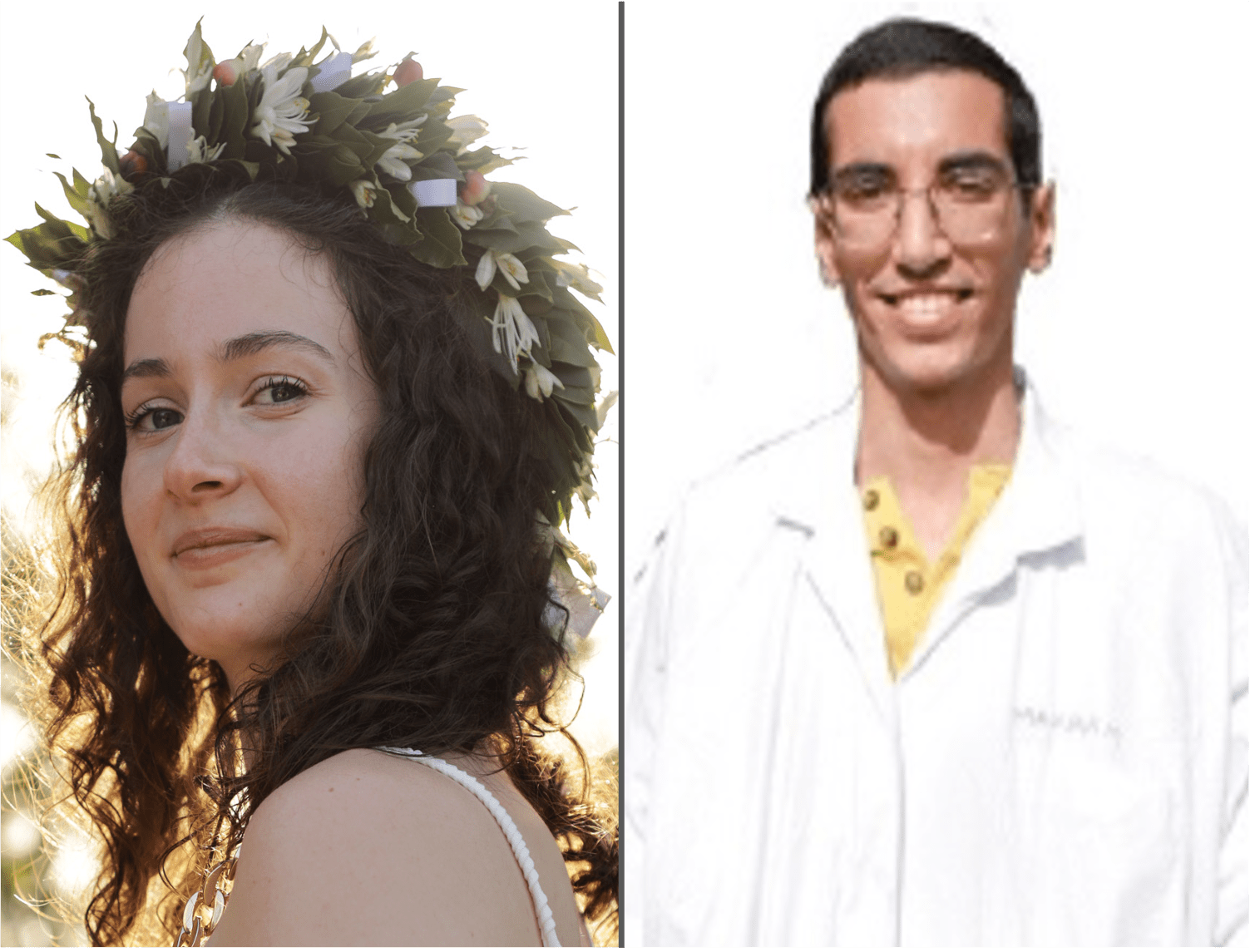
Veronica Nuccetteli et Makram Mghezzi
Biology et Cell Modelisation Lab., ENS, Lyon and IBCP, Lyon
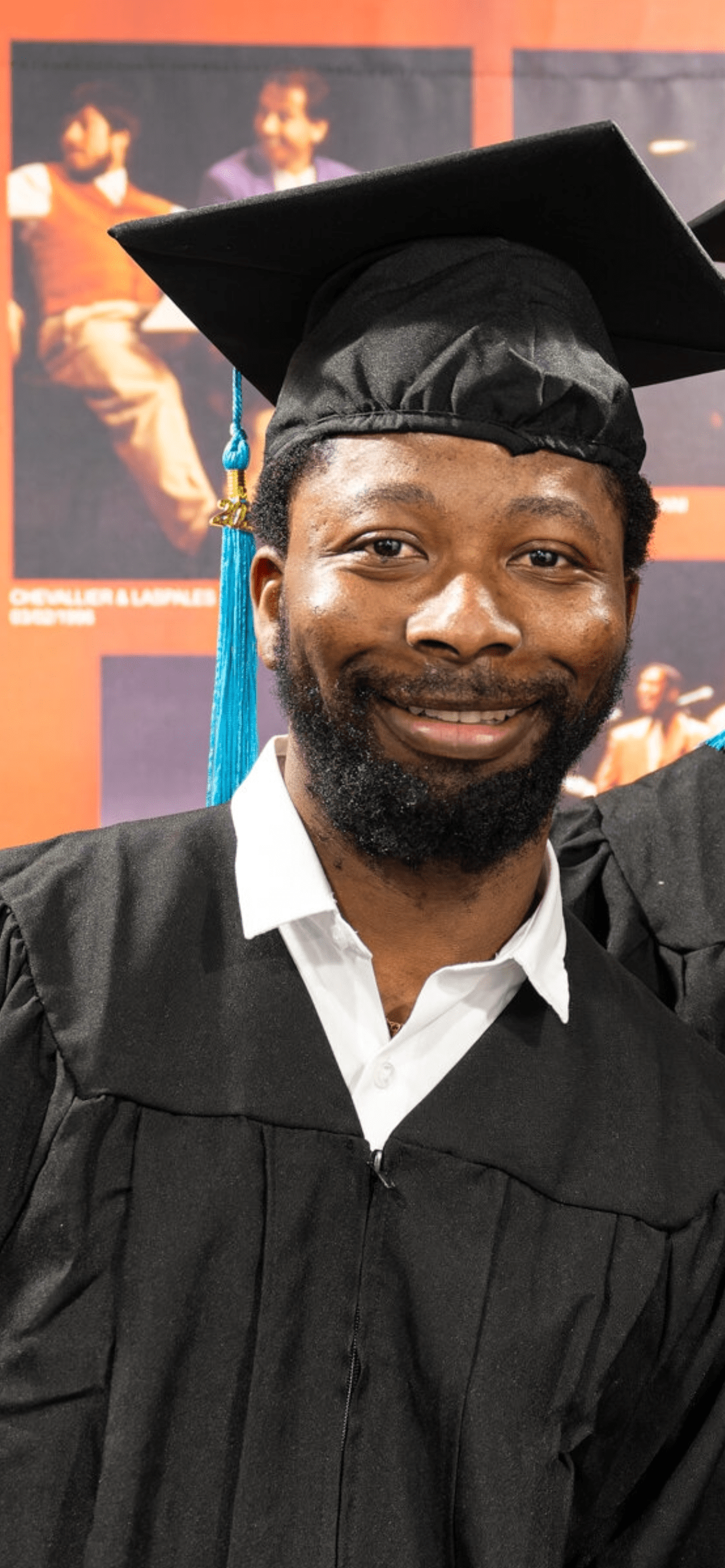
Akandé Eyitayo
IBGC, CNRS, Bordeaux University
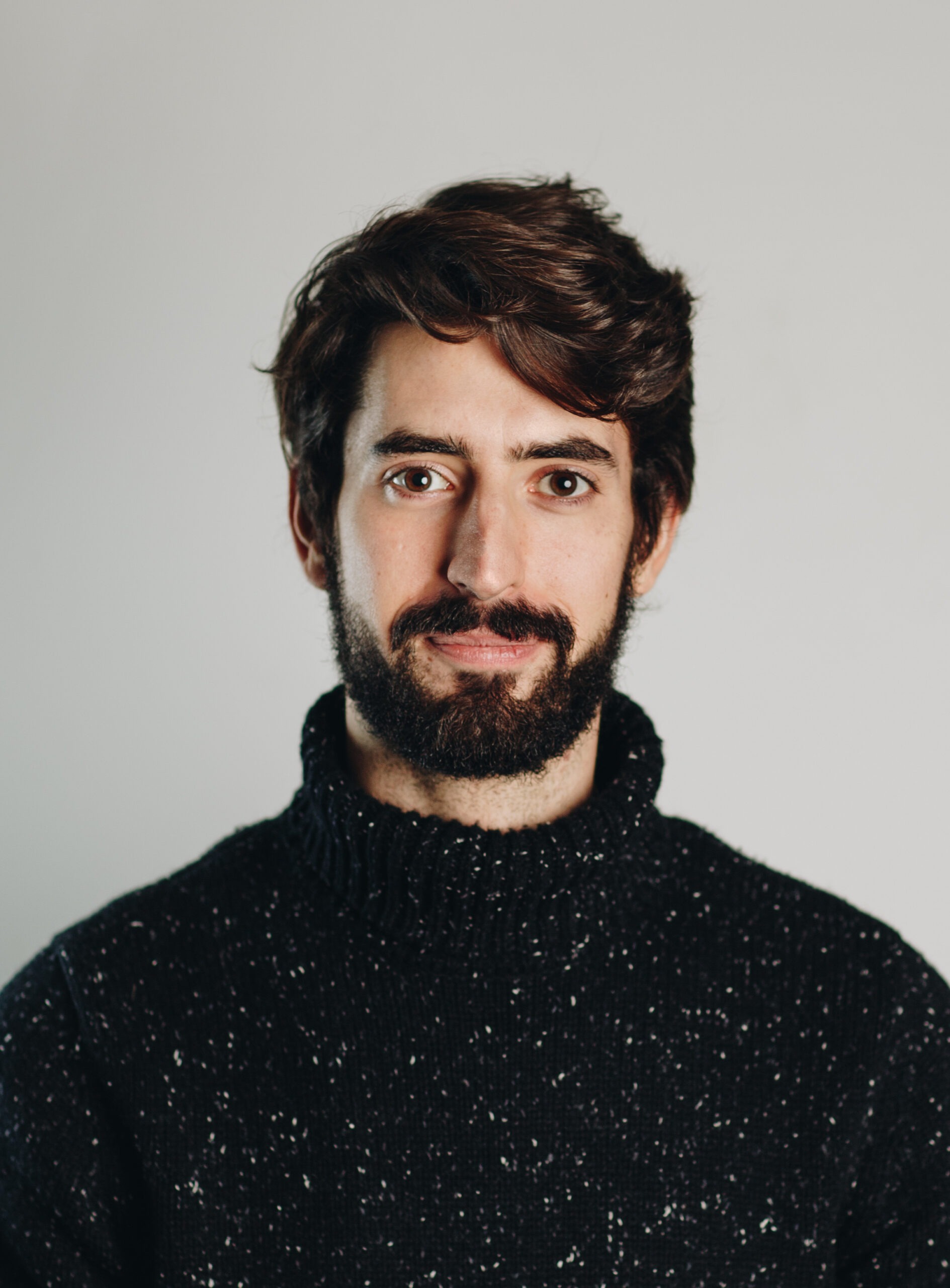
Markel Martinez-Carranza
Pasteur Institute, Paris
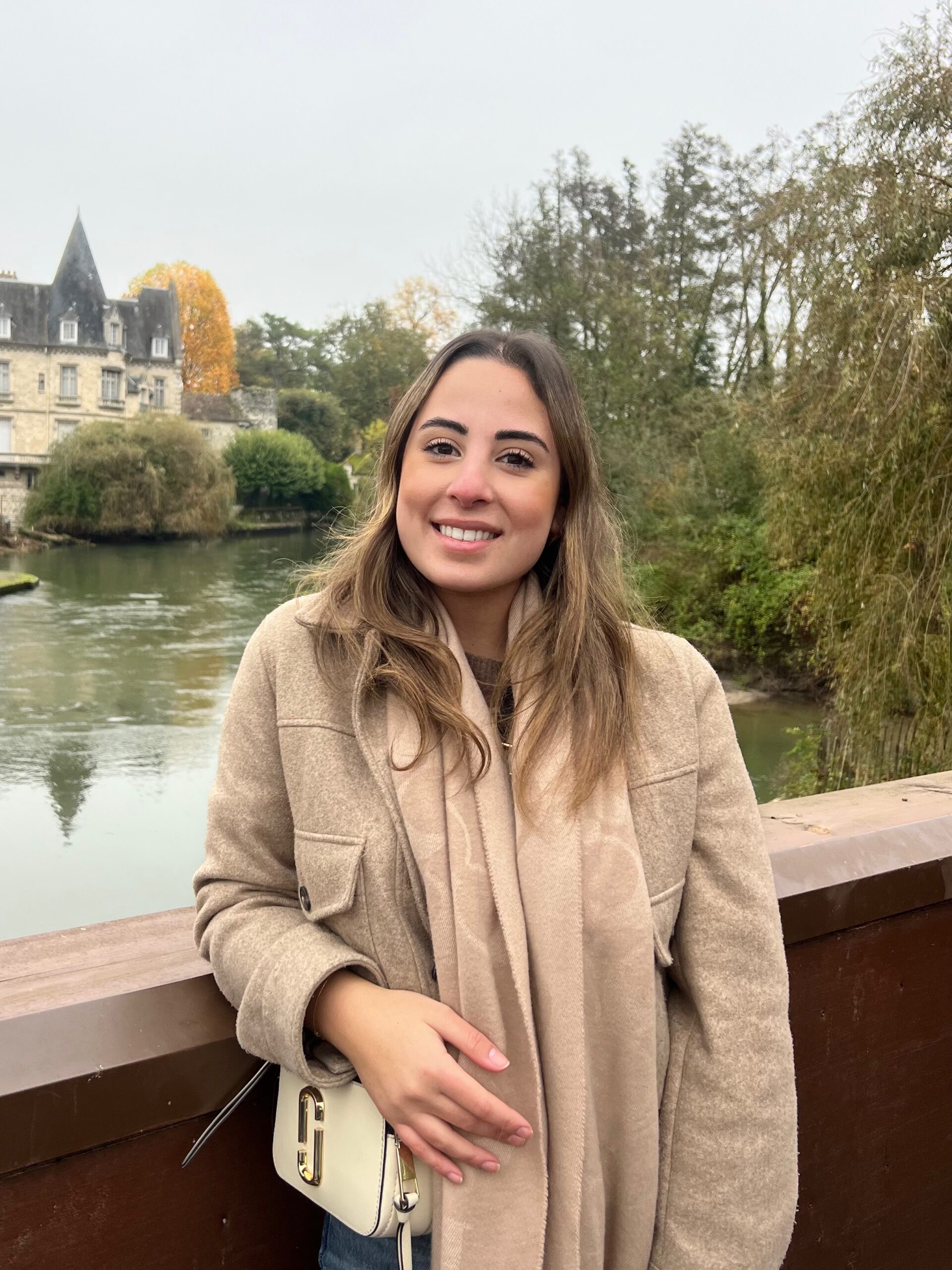
Nour Ayoub
Institut Pasteur Paris, UPCité and INSERM UMRS-1124, Paris
Safa Boussouar
Bioenergetics and Protein Engineering (BIP) laboratory, Marseille
“Article of the month” award February 2026

Morgane Roger-Margueritat
TIMC laboratory, Grenoble
“Article of the month” award January 2026
Léa Prochasson and Makram Mghezzi-Habellah
Curie Institute and Sorbonne University, Paris
“Article of the month”award December 2025
Maëliss Germain
Rennes University, BRM Lab. (Bacterial RNAs in Medicine)
“Article of the Month” November 2025
Olga Kolosova
IGBMC, Strasbourg
“Article of the Month” award October 2025
Mélisse Hamidi
Institute of Molecular Microbiology and Structural Biochemistry, Lyon
“Article of the Month” award September 2025
Zhao Jiangfeng
EMBL, Grenoble
“Article of the Month” award July and August 2025
Robine Maffo Woulefack
Sciences and Technologies Faculty,Vandoeuvre-les-Nancy
“Article of the Month” award June 2025
Alexia Godet
Université d’Aarthus, Danemark
“Article of the month” May 2025
Veronica Nuccetteli et Makram Mghezzi
Biology et Cell Modelisation Lab., ENS, Lyon and IBCP, Lyon
“Article of the Month” award April 2025
Akandé Eyitayo
IBGC, CNRS, Bordeaux University
“Article of the month” March 2025
Markel Martinez-Carranza
Pasteur Institute, Paris
“Article of the Month” award February 2025
“Article of the Year” award 2025
Nour Ayoub
Institut Pasteur Paris, UPCité and INSERM UMRS-1124, Paris
“Article of the Month” award January 2025
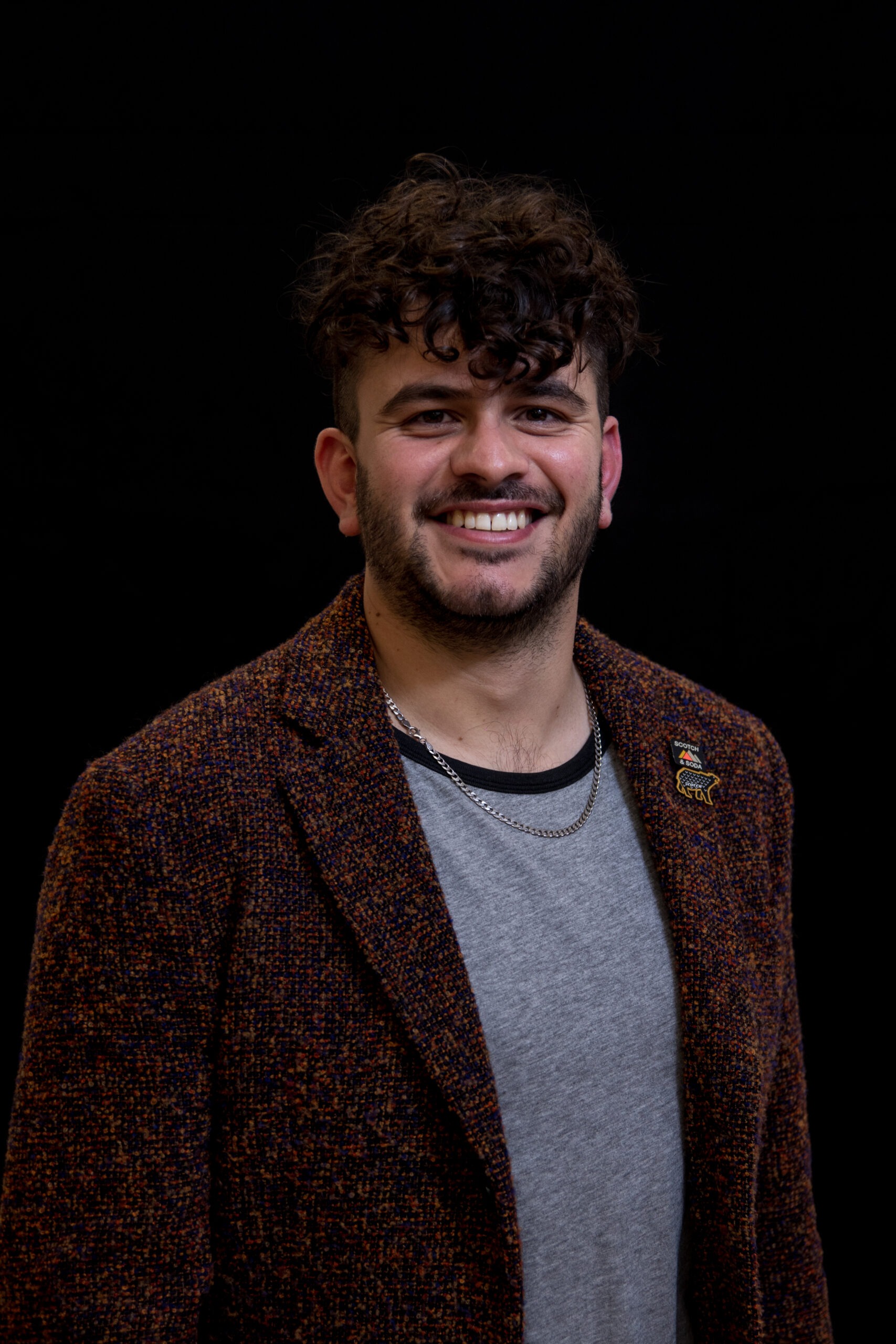
Mickaël Guérin
CNRS, UMR7025, Enzymatic and Cellular Engineering
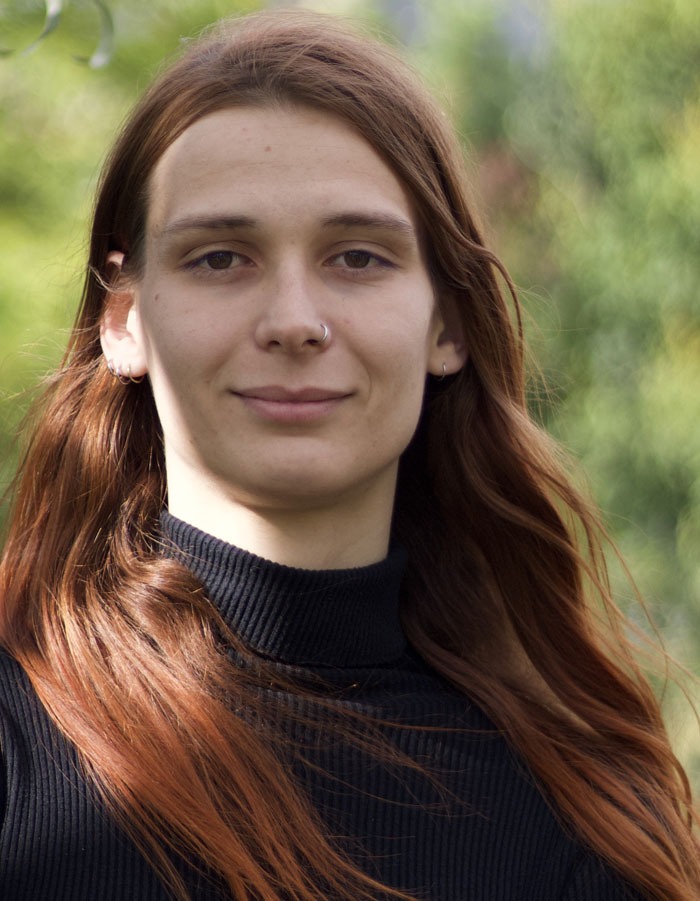
Aria Gheeraeart
INSERM, Paris

Pauline Herviou
Institut Beatson, Glasgow
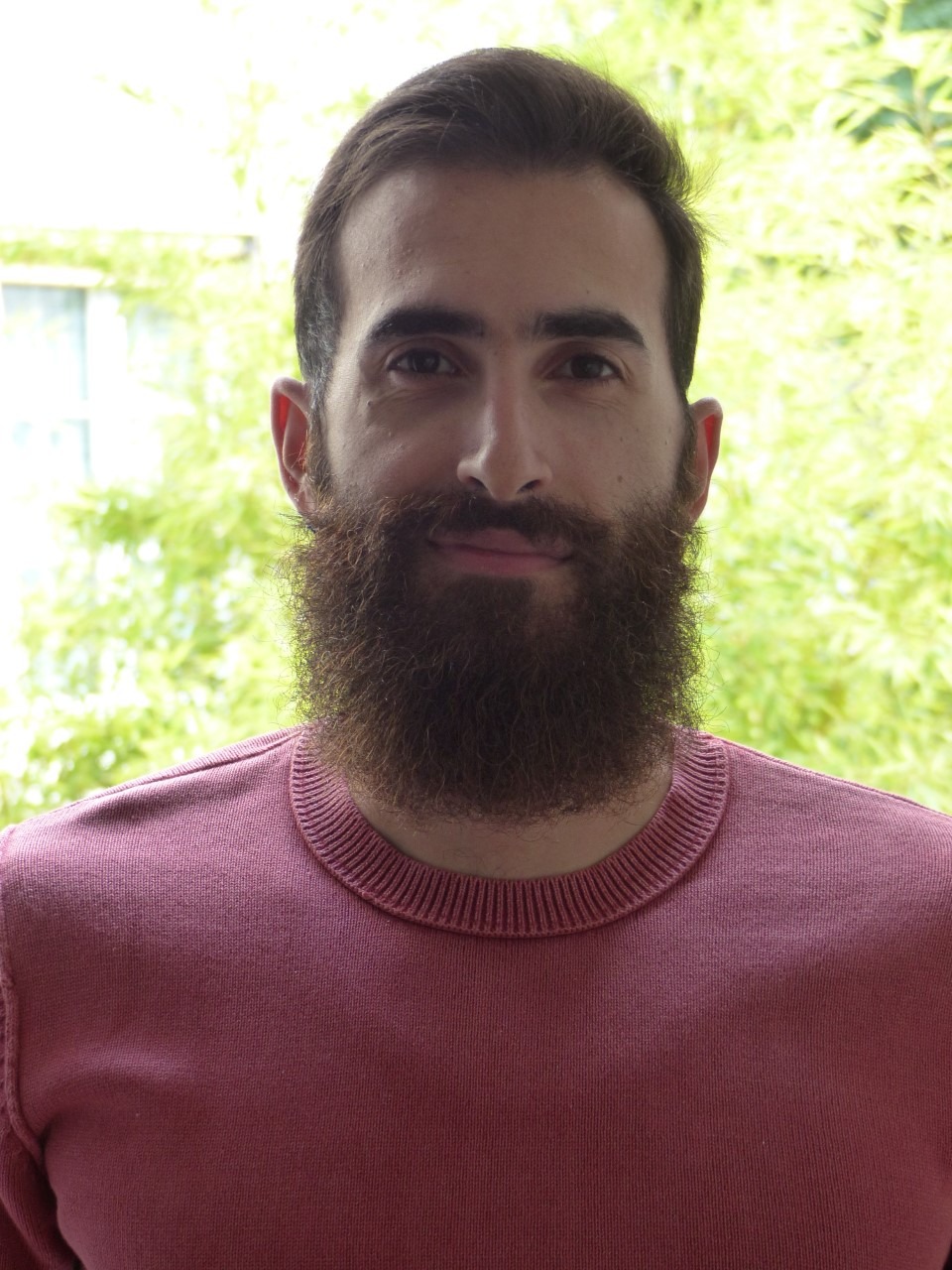
Charbel Alfeghali
Laboratoire d’Ingénierie Moléculaire et Physiopathologie Articulaire (IMoPA), Nancy
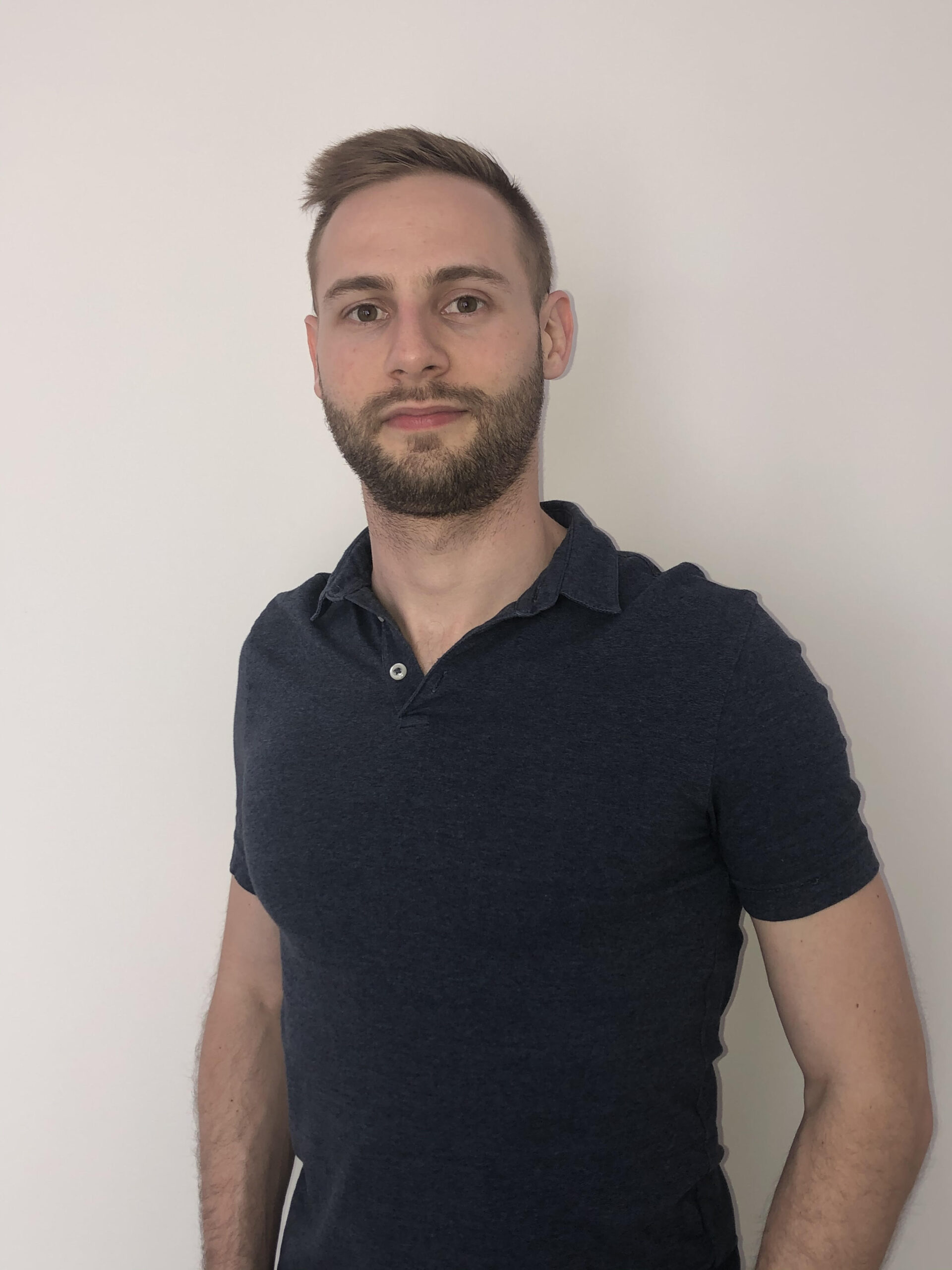
Yoann Santin
Institut de Duve, Bruxelles
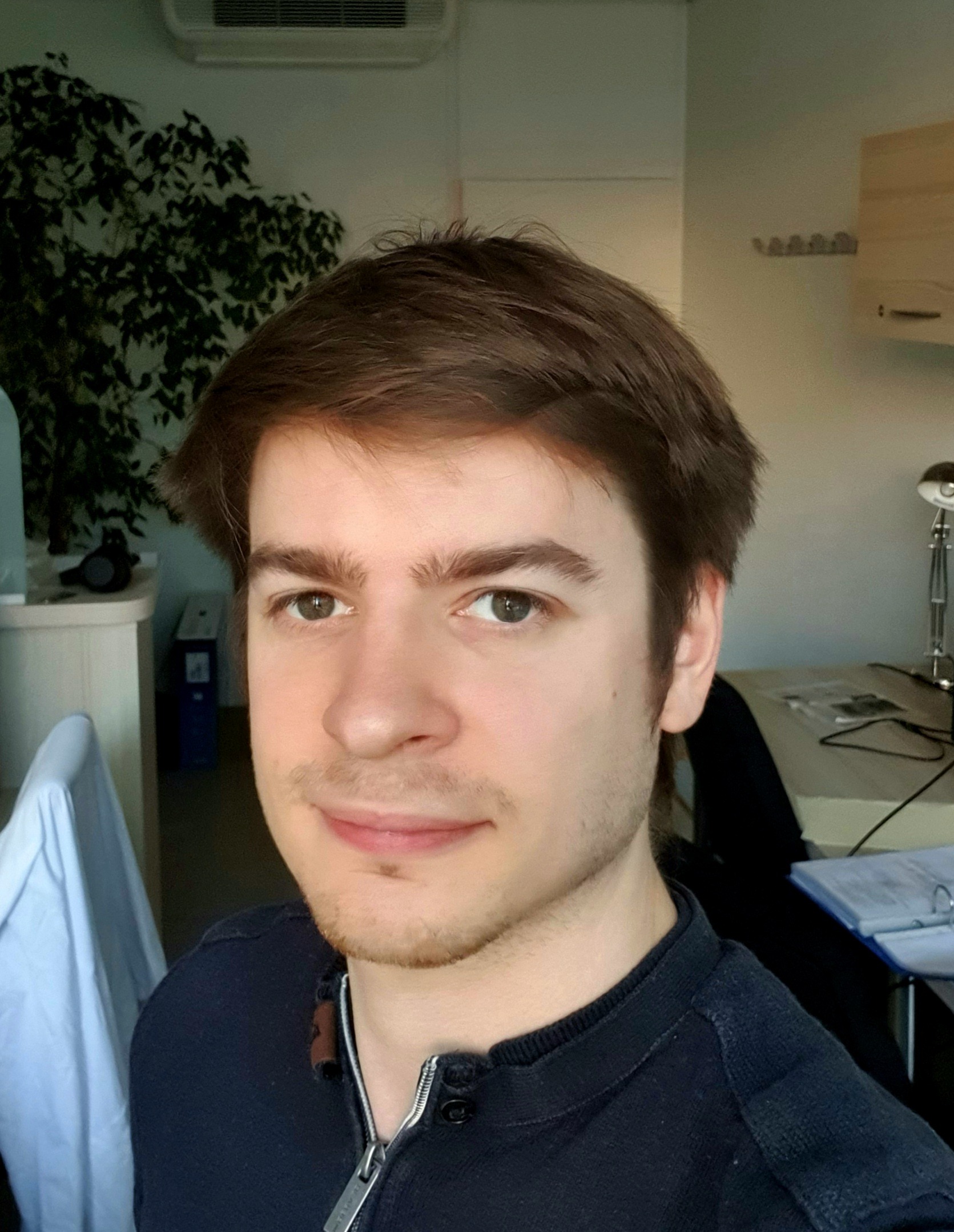
Florent Waltz
Université de Strasbourg
Juliette Fédry
Institut Pasteur, Paris
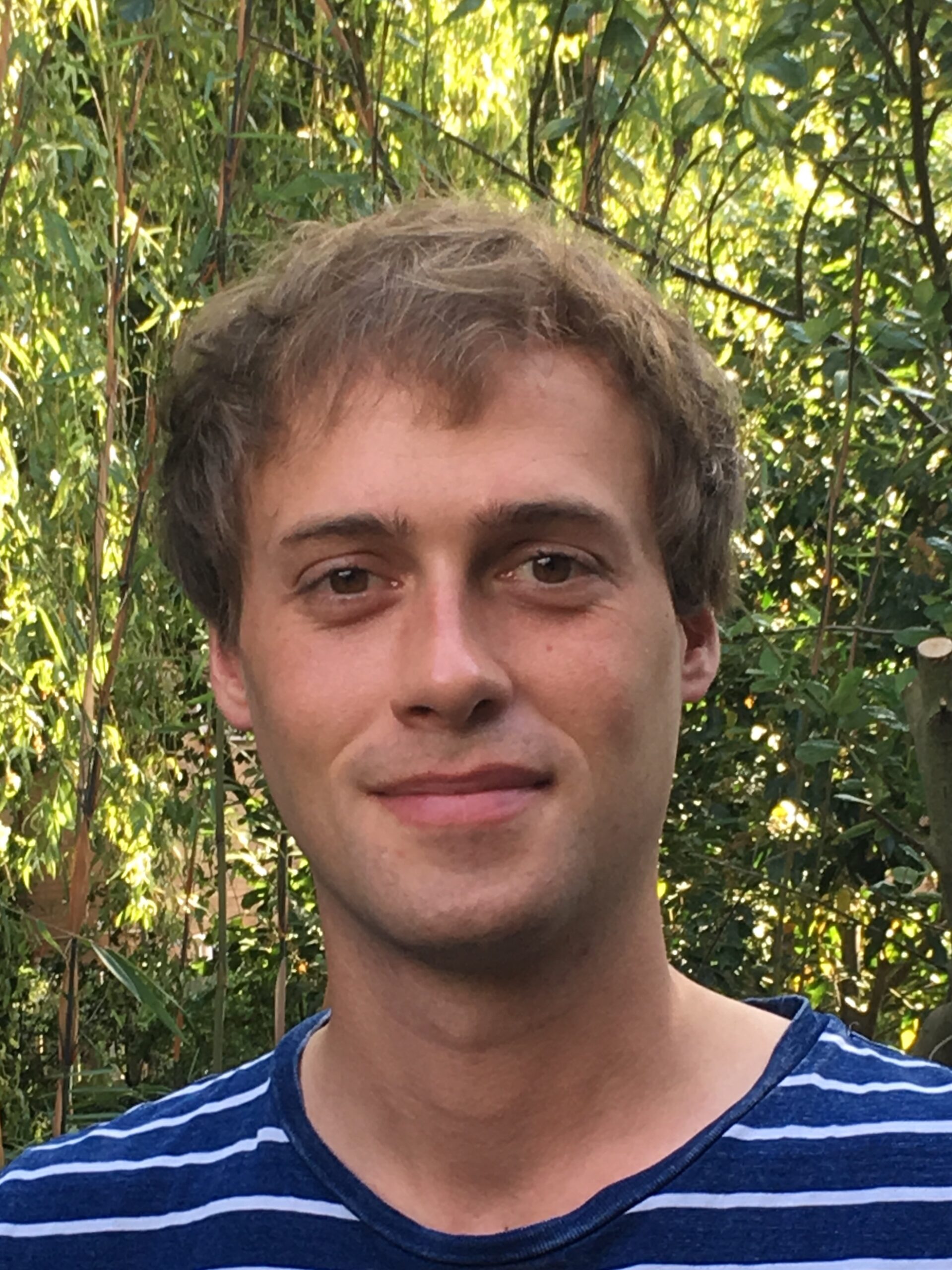
Clément Charenton
École Polytechnique, Palaiseau
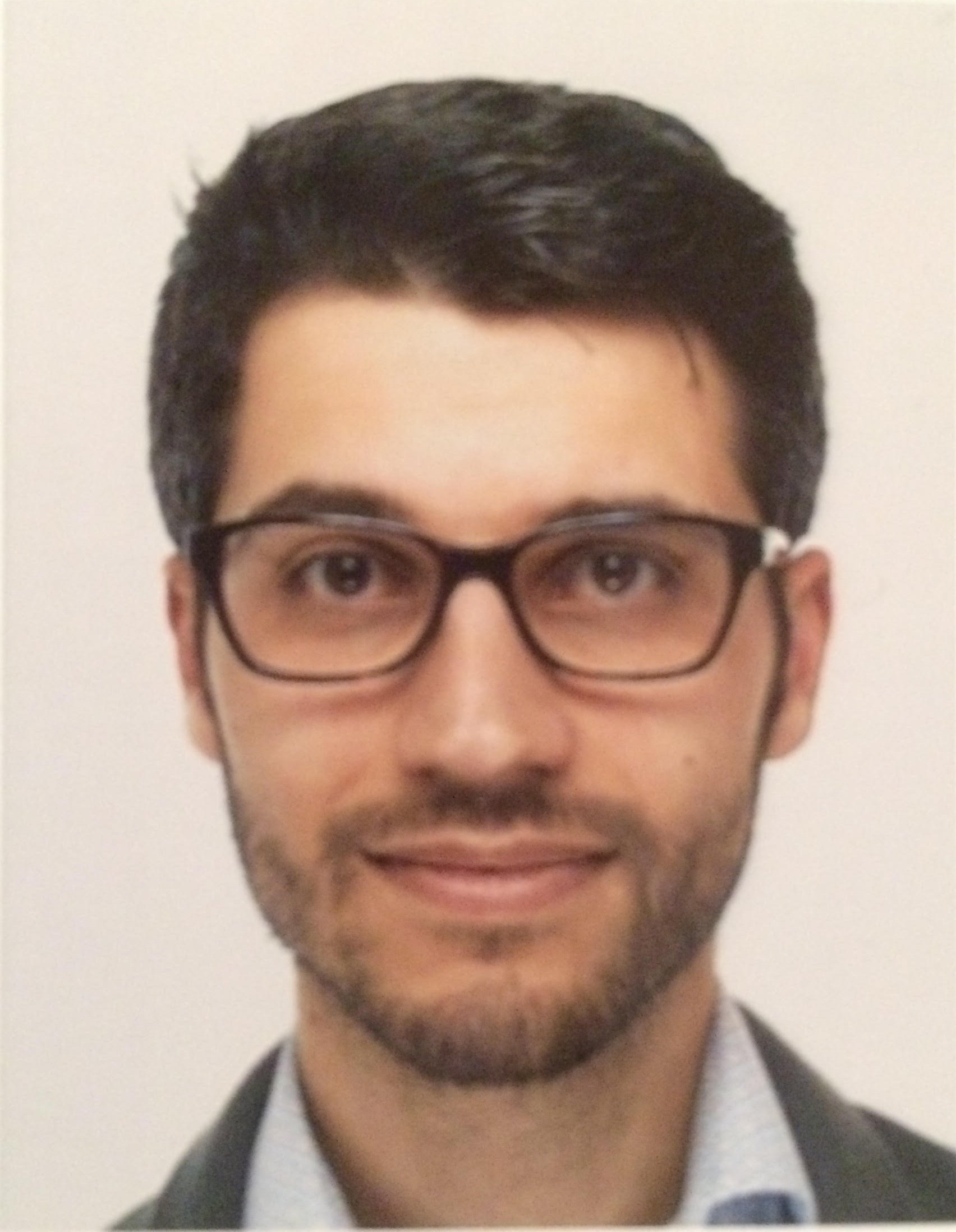
Thomas Eychenne
CEA, Saclay
Mickaël Guérin
CNRS, UMR7025, Enzymatic and Cellular Engineering
Dina Surdin award 2025
Aria Gheeraeart
INSERM, Paris
Dina Surdin award 2024
Pauline Herviou
Institut Beatson, Glasgow
Dina Surdin award 2023
Charbel Alfeghali
Laboratoire d’Ingénierie Moléculaire et Physiopathologie Articulaire (IMoPA), Nancy
Dina Surdin award 2022
Yoann Santin
Institut de Duve, Bruxelles
Dina Surdin award 2021
Florent Waltz
Université de Strasbourg
Dina Surdin award 2020
Juliette Fédry
Institut Pasteur, Paris
Dina Surdin award 2019
Clément Charenton
École Polytechnique, Palaiseau
Dina Surdin award 2018
Thomas Eychenne
CEA, Saclay
Dina Surdin award 2017
Apply for the Dina Surdin Award
Applications must be submitted in March. The exact deadline is announced each year by email.
Documents to be submitted:
Downloadable application guidelines document below, a copy of the thesis manuscript.
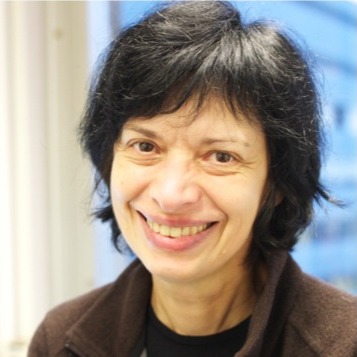
Pascale Romby
CNRS, UPR 9002, ARN “RNA Architecture and Reactivity”, IBMC, Strasbourg
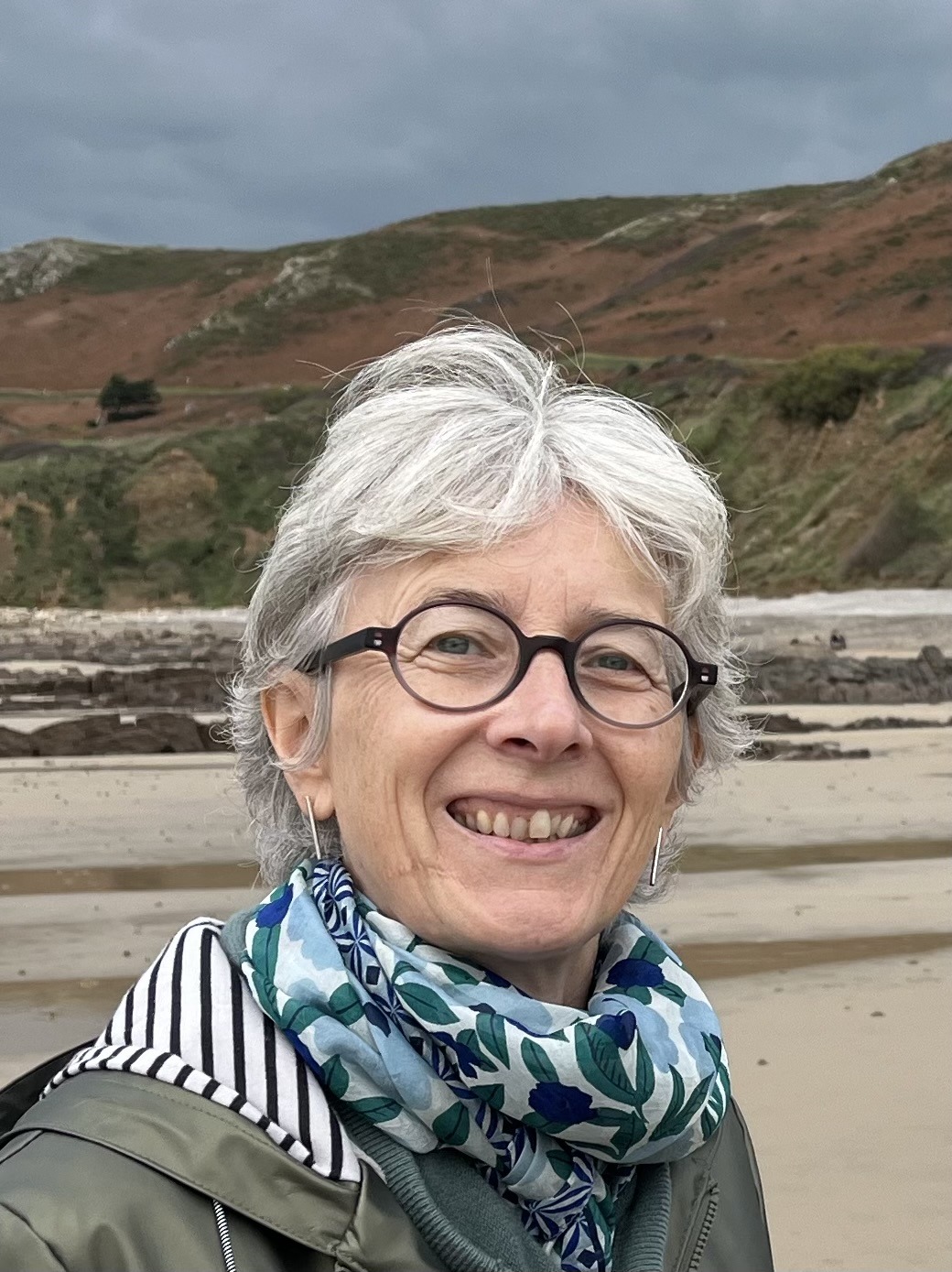
Pascale Lesage
CNRS et équipe de Biologie de l’instabilité des génomes, Paris
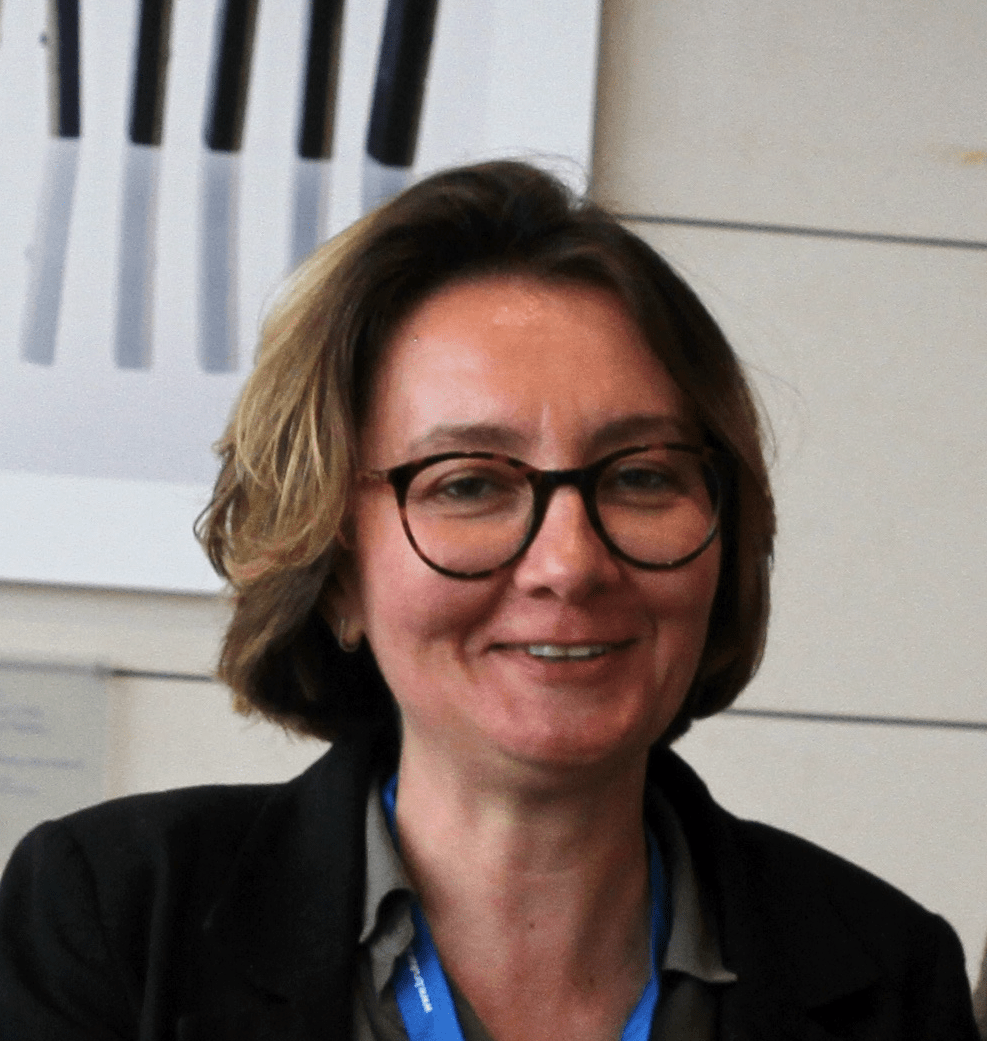
Carine Tisné
IBPC, Paris
Pascale Romby
CNRS, UPR 9002, ARN “RNA Architecture and Reactivity”, IBMC, Strasbourg
Marianne Grunberg-Manago award 2025
Pascale Lesage
CNRS et équipe de Biologie de l’instabilité des génomes, Paris
Marianne Grunberg-Manago award 2024
Carine Tisné
IBPC, Paris
Marianne Grunberg-Manago award 2023
Apply for the Marianne Grunberg-Manago Award
Applications must be submitted by email to martin.picard@ibpc.fr. The exact deadline will be announced annually via email.
Required Documents:
Updated CV, including a summary of the candidate’s work and publications, formatted according to the downloadable guide below.
Any application received after the specified deadline will not be considered.
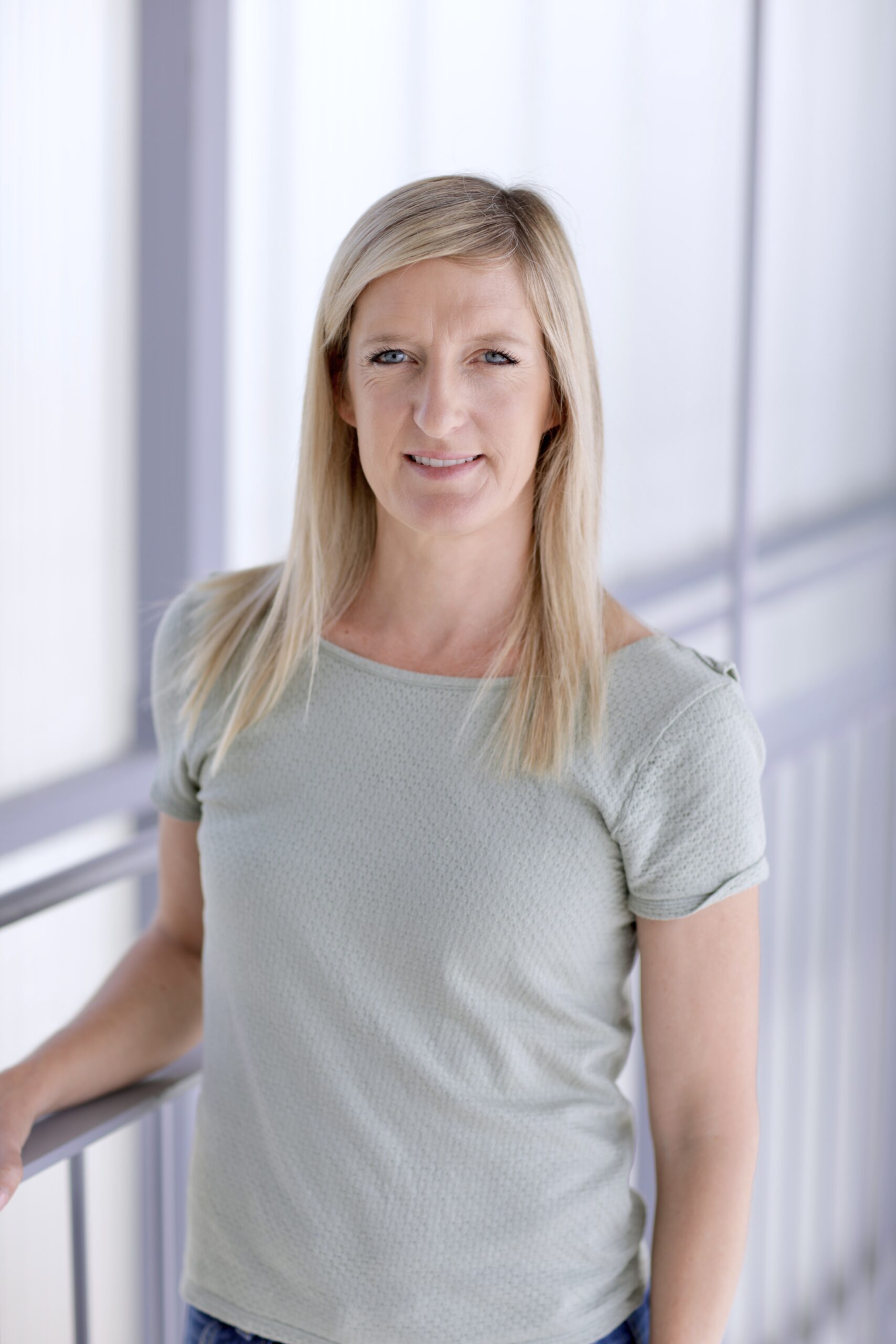
Laure-Emmanuelle Zaragosi
Inserm, IPMC, Sophia-Antipolis
Maxime Wery
Institut Curie, Paris
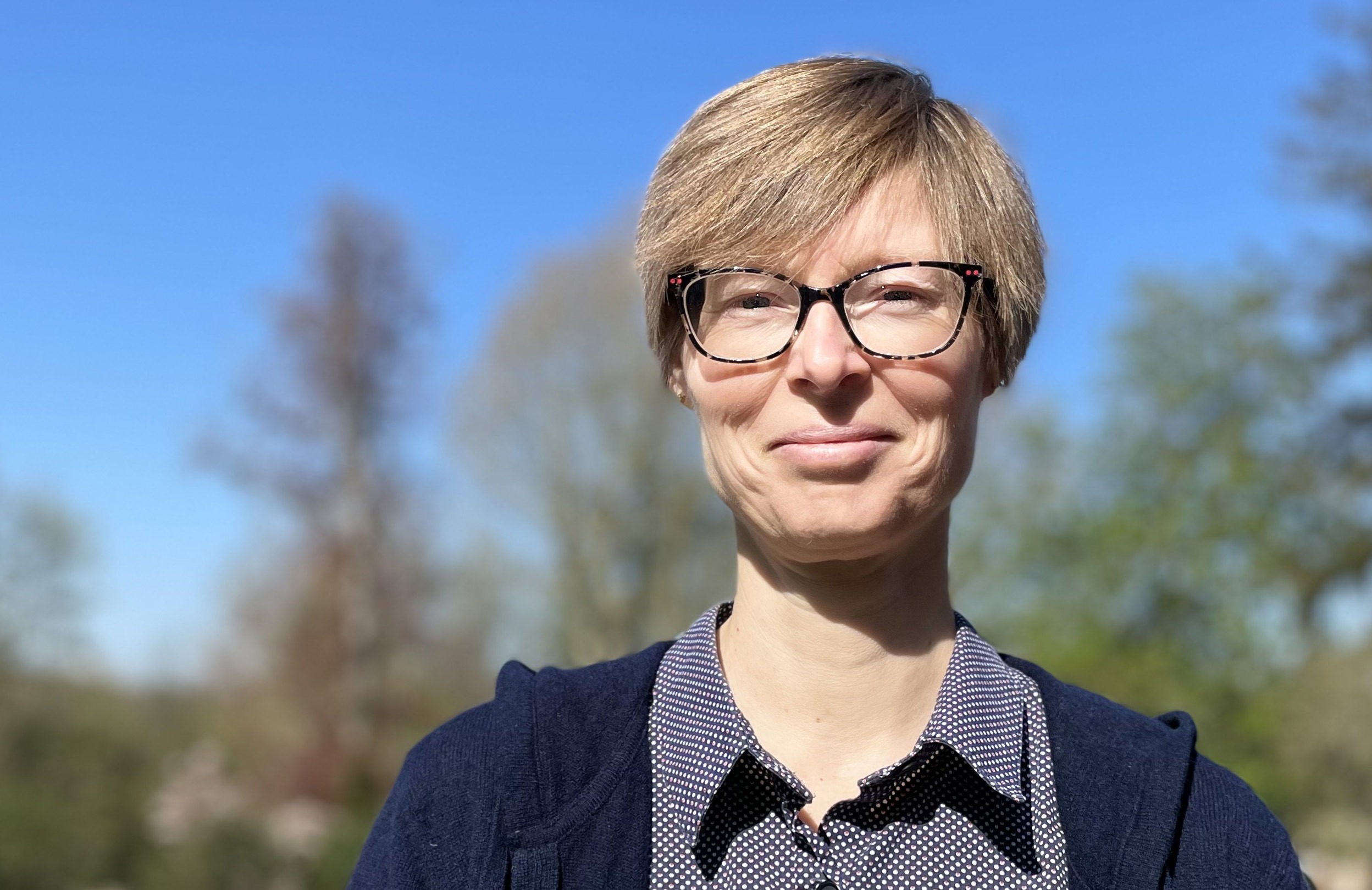
Tamara Basta-Le-Berre
CNRS, UMR9198, Institut de Biologie Intégrative de la Cellule (I2BC), Gif-sur-Yvette
Ludovic Pelosi
Laboratoire UGA (Groupe Quinones Respiratoires), Grenoble
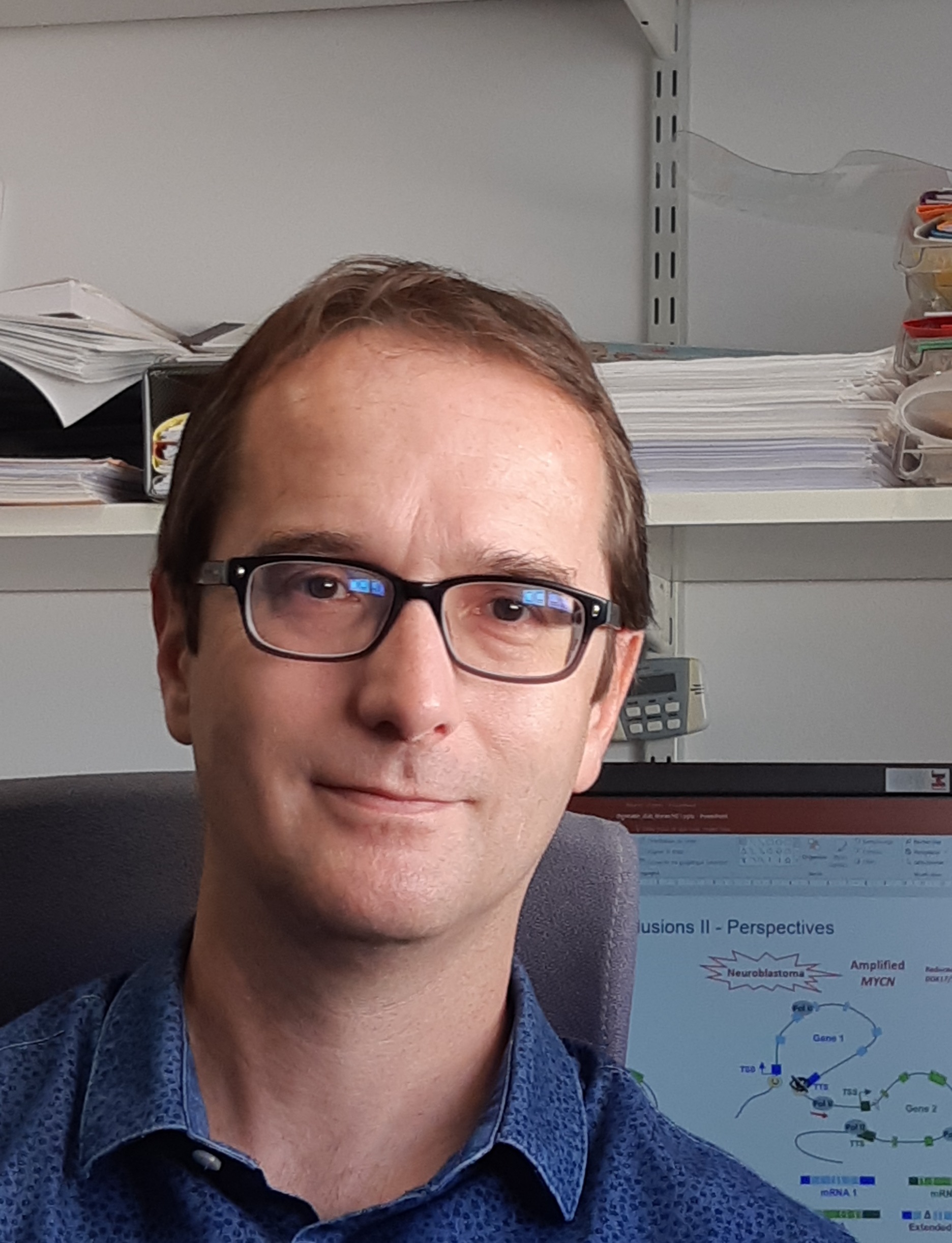
Cyril Bourgeois
ENS, Lyon
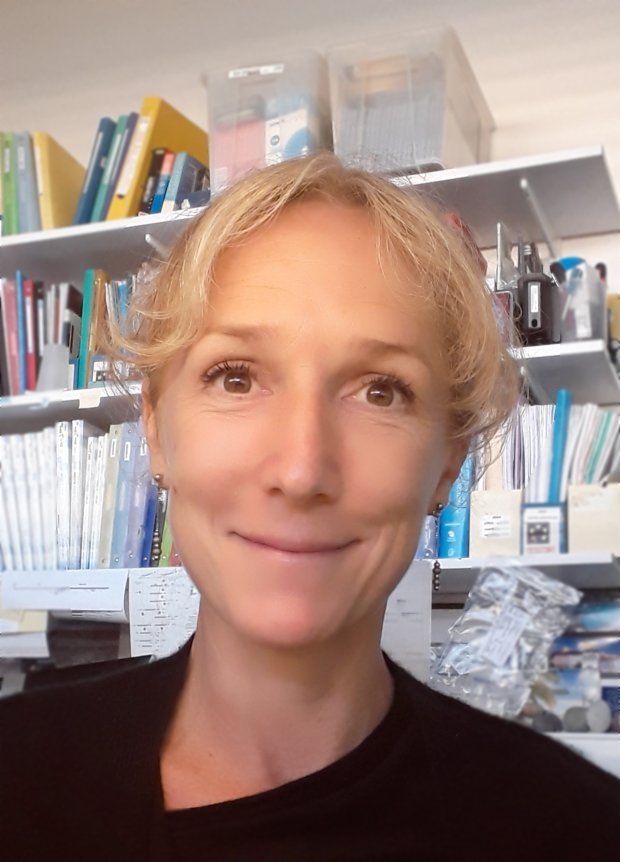
Célia Plisson-Chastang
CNRS, UMR 5099, Toulouse
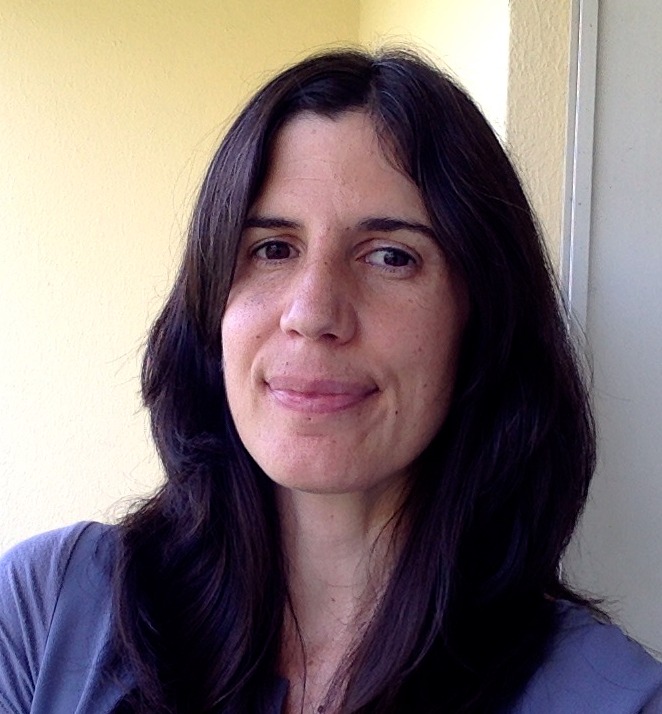
Odil Porrua
CNRS, UMR7592 (Institut Jacques Monod), Paris
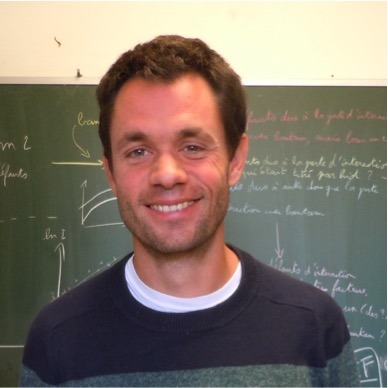
Hervé Seitz
CNRS, UMR 9002 (Institut de génétique humaine), Montpellier
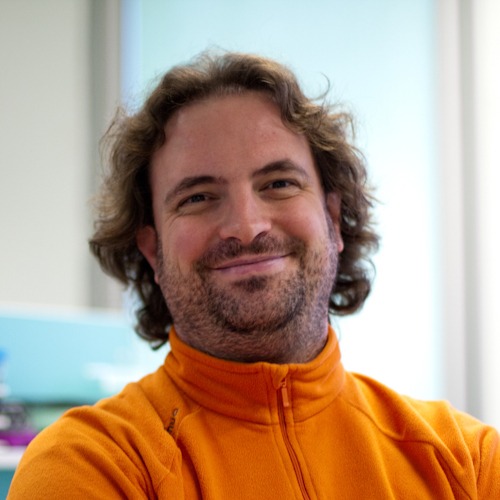
Michaël Ryckelynck
Biologie Digitale de l’ARN, UPR 9002, Architecture et réactivité de l’ARN, IBMC, Strasbourg.

Martin PICARD
CNRS UMR 7099, Laboratoire de Biologie Physico-chimique des protéines membranaires, IBPC
Laure-Emmanuelle Zaragosi
Inserm, IPMC, Sophia-Antipolis
Maurice Nicloux Award 2025
Maxime Wery
Institut Curie, Paris
Maurice Nicloux award 2024
Tamara Basta-Le-Berre
CNRS, UMR9198, Institut de Biologie Intégrative de la Cellule (I2BC), Gif-sur-Yvette
Maurice Nicloux award 2023
Ludovic Pelosi
Laboratoire UGA (Groupe Quinones Respiratoires), Grenoble
Maurice Nicloux award 2022
Cyril Bourgeois
ENS, Lyon
Maurice Nicloux award 2021
Célia Plisson-Chastang
CNRS, UMR 5099, Toulouse
Maurice Nicloux award 2020
Odil Porrua
CNRS, UMR7592 (Institut Jacques Monod), Paris
Maurice Nicloux award 2019
Hervé Seitz
CNRS, UMR 9002 (Institut de génétique humaine), Montpellier
Maurice Nicloux award 2018
Michaël Ryckelynck
Biologie Digitale de l’ARN, UPR 9002, Architecture et réactivité de l’ARN, IBMC, Strasbourg.
Maurice Nicloux award 2017
Martin PICARD
CNRS UMR 7099, Laboratoire de Biologie Physico-chimique des protéines membranaires, IBPC
Maurice Nicloux award 2016
Apply for the Maurice Nicloux Award
Applications must be submitted by March of each year. The exact deadline will be announced annually via email.
Required Documents:
Updated CV, including a summary of the candidate’s work and publications, formatted according to the downloadable guide below.
Any application received after the specified deadline will not be considered.
Our scientific awards
“Article of the Month” award
Honors a young researcher for a paper published in a peer-reviewed journal.
Dina Surdin award
Rewards a young researcher for an outstanding PhD thesis in biochemistry or molecular biology.

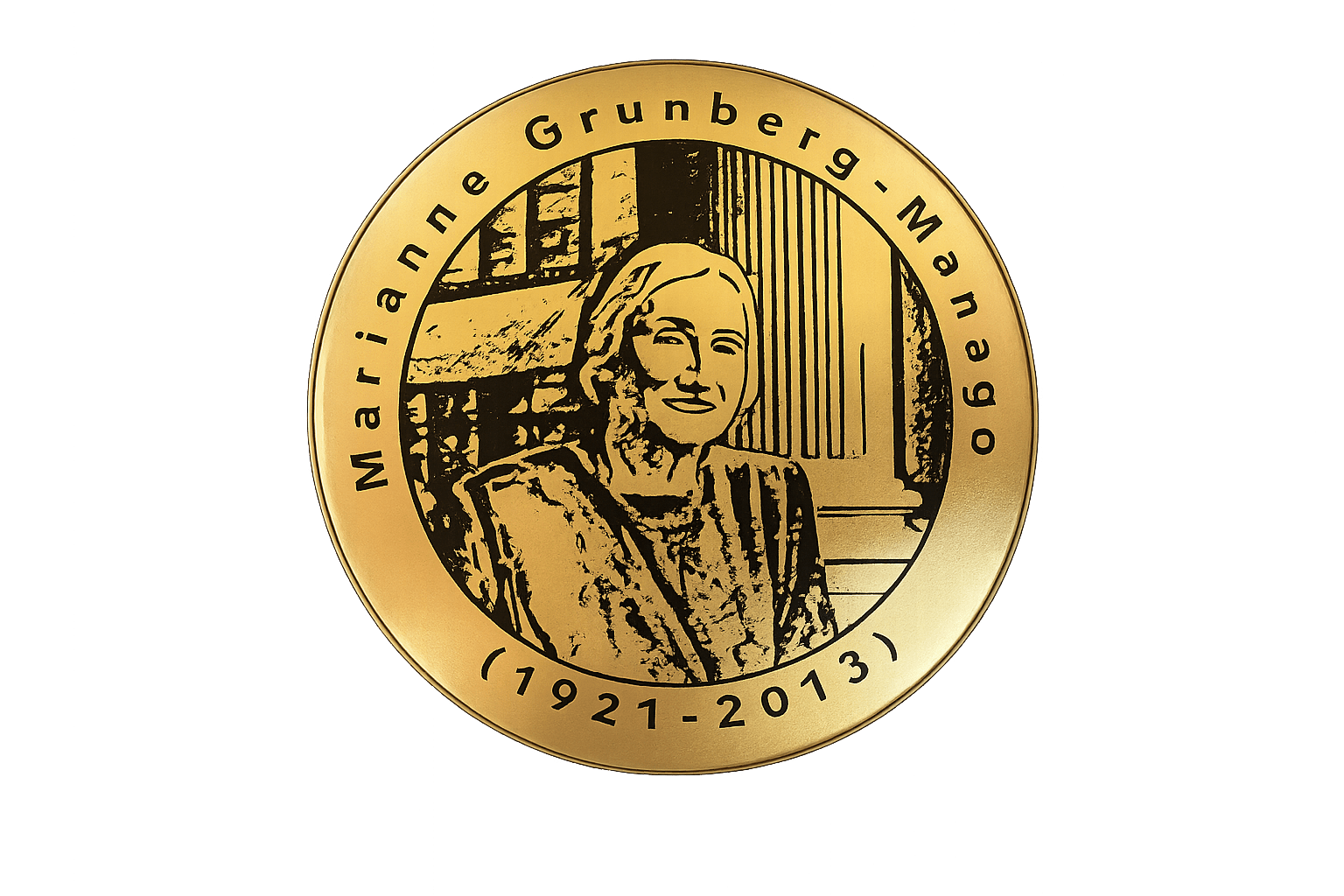
Marianne Grunberg-Manago Award
Honors a woman who has made an outstanding contribution to public research, recognized for the significance of her work and her impact in her scientific field.
Maurice Nicloux award
Honors an established researcher for their overall contribution to the scientific community and to research in biochemistry or molecular biology.