Biochimie has been the official journal of the SFBBM for over 110 years.

Published by Elsevier, it is one of the historical pillars of the discipline and a key platform for disseminating advances in biochemistry, molecular biology and related fields.

Founded in 1914, Biochimie has accompanied the evolution of the life sciences for over a century.

The journal publishes original articles, review articles, special issues, and invited contributions, covering a wide range of topics: biochemistry, enzymology, molecular and cellular biology, metabolic regulation, genetics, immunology, microbiology, structural biology, genomics, proteomics, molecular mechanisms of disease, and emerging approaches at the interface of chemistry and biology.

Under the direction of an international editorial board, Biochimie guarantees a rigorous peer-review process and high scientific standards. The journal welcomes research from scientists worldwide, while maintaining strong ties with the French-speaking community and the SFBBM network. Special issues associated with the Society’s congresses and thematic schools reflect this dynamic approach.

Available in digital and print formats, Biochimie is aimed at all scientists involved in understanding the fundamental mechanisms of life, from established researchers to early-career scientists.
Through Biochimie, the SFBBM pursues its mission: to promote biochemistry and molecular biology, support the scientific community, and foster the dissemination of knowledge at the highest international level.

Latest issues published

1 December 2025

Table of Contents

1 December 2025

Table of Contents

1 January 2026

Table of Contents

2 February 2026

Table of contents

2 March 2026

Table of Contents

1 April 2026

Table of Contents

1 May 2026

Table of Contents

1 June 2026

Table of contents

1 July 2026

Table of contents

1 August 2026

Table of contents

1 September 2026

Table of contents

1 October 2026

Table of contents

Monthly Spotlight from the Editors of Biochimie.

April 2026

This review highlights an original and promising approach to water pollution monitoring using melanophores. Melanophores are living biosensors: by leveraging their rapid pigment responses to environmental stimulus, these cells offer sensitive & biologically relevant readouts of toxicants exposure. The article elegantly connects cellular modes of action with “real-world” environmental applications. It opens potential new perspectives for fast, cost-effective, and integrative ecotoxicological tools.

Read the article

May 2026

This study utilized global -omics and single cell approaches to identify ANGPTL4 as a candidate gene regulating differentiation commitment between the adipocyte and bone pathways by bone marrow mesenchymal stromal cells. Using a gene knock-down methodology in vitro, the authors show that reduction in ANGPTL4 expression promotes osteogenesis via suppression of the BMP/BMPR pathway. The findings suggest that ANGPTL4 may be a potential target for the prevention or reversal of osteoporosis in clinical settings.


Read the article

June 2026

This study reveals that leptin—a hormone well known for its role in regulating appetite—plays an unexpected role in Sertoli cells, which act as “nurses” for developing sperm. The researchers show that leptin stimulates lipid accumulation in these cells by activating several signaling pathways (PI3K/AKT, mTORC1/p70S6K, and PPARγ), thereby increasing their energy reserves in the form of lipid droplets. This increased lipid storage may enable Sertoli cells to better meet the high energy demands of the seminiferous tubules, which are essential for sperm production. These findings open new avenues for understanding how metabolic disorders—such as obesity, which alters leptin levels—can impact male fertility.

Read the article

July 2026

The study by Katrina Kempson and colleagues investigated the individual variation in procoagulant toxicity of Vipera aspis venoms from specimens located in four localities (A, B, C, D) the Western Swiss Plateau. Tests also included ascertaining the efficacy of available antivenoms. By integrating comparative functional assays and mechanistic analyses, this research has provided one of the first systematic evaluations of intraspecific venom variability in Vipera aspis. The outcomes of this study not only have implications for understanding the evolutionary processes shaping venom diversity, but also for improving clinical treatment strategies and guiding the design of more effective, regionally appropriate antivenoms.

Read the article

August 2026

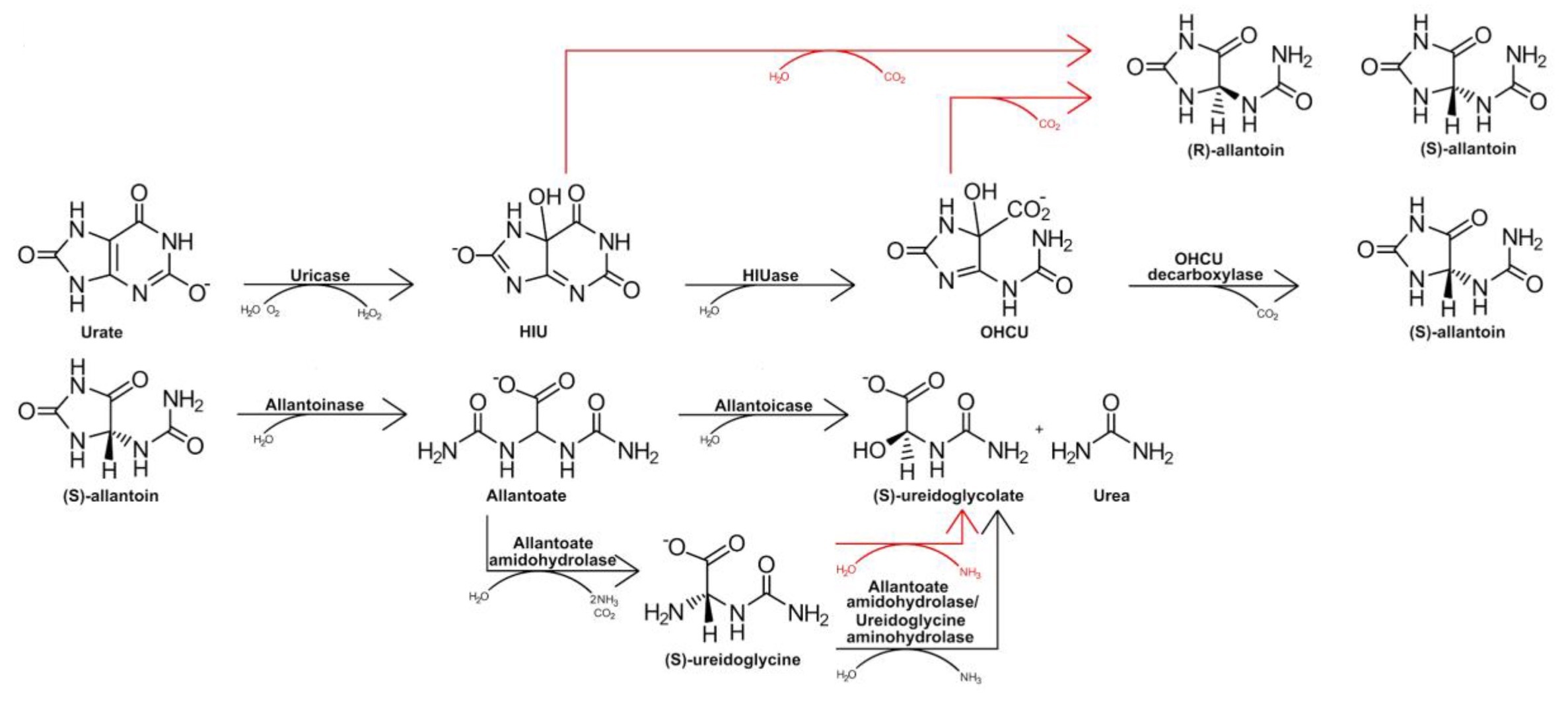
Building on their previous study published in Biochimie—which revealed that the human genome retains remnants of the uric acid degradation pathway—the authors here provide the first experimental demonstration that the human URAD gene indeed encodes a folded OHCU decarboxylase protein. Using a multidisciplinary approach combining bioinformatics, biochemical assays, and structural and biophysical analyses, they show that human OHCU decarboxylase retains the overall α-helical architecture characteristic of this enzyme family but exhibits marked instability and significantly reduced catalytic activity compared to its zebrafish homolog. These results suggest that relaxed selective pressure in hominids led to the structural destabilization and functional alteration of this enzyme, thereby shedding light on the evolutionary fate of the final steps of uric acid metabolism. By uniquely combining evolutionary genomics and molecular biochemistry, this work offers new mechanistic insight into the processes underlying metabolic pathway degeneration, making it particularly relevant to the readership of Biochimie.

Read the article

September 2026

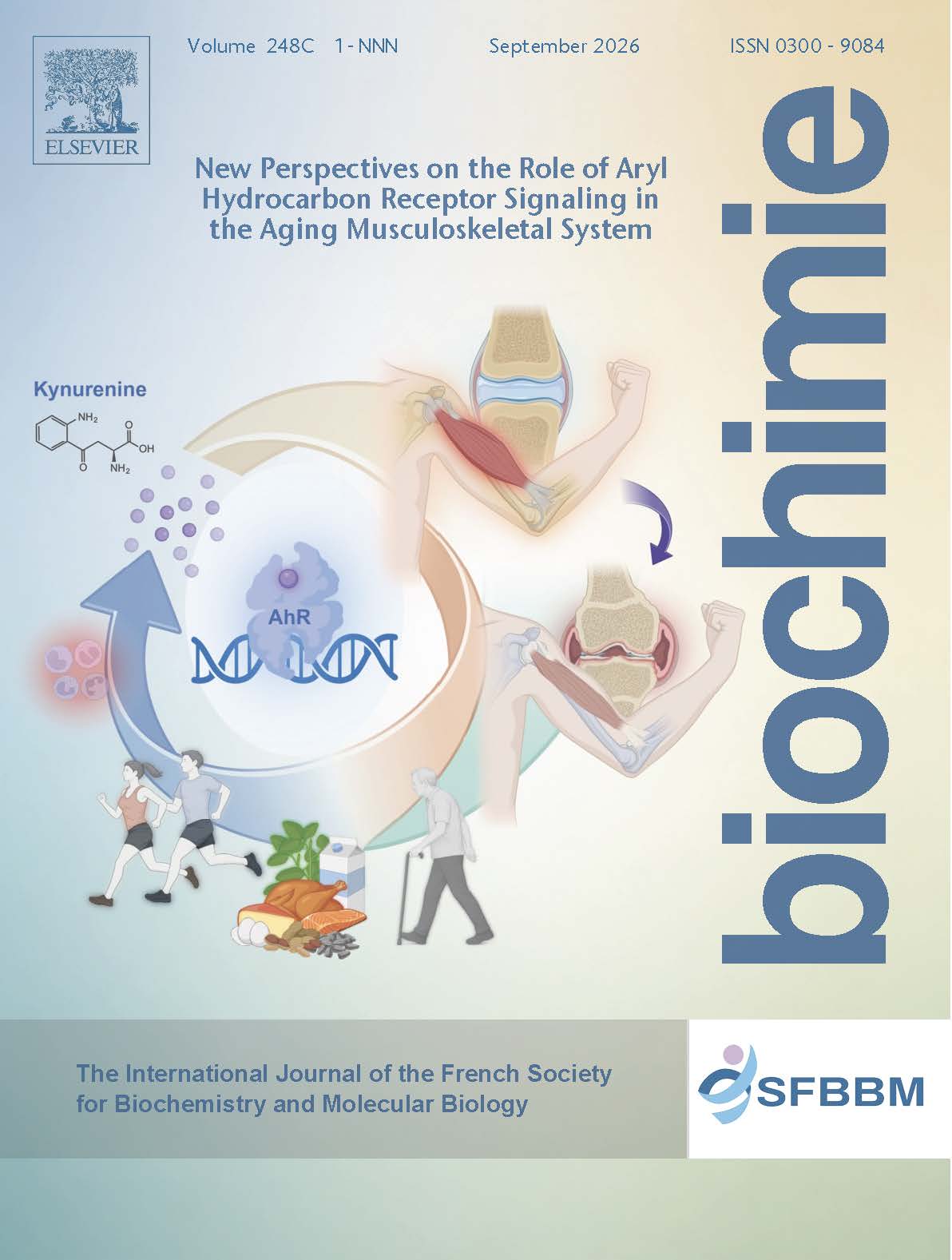
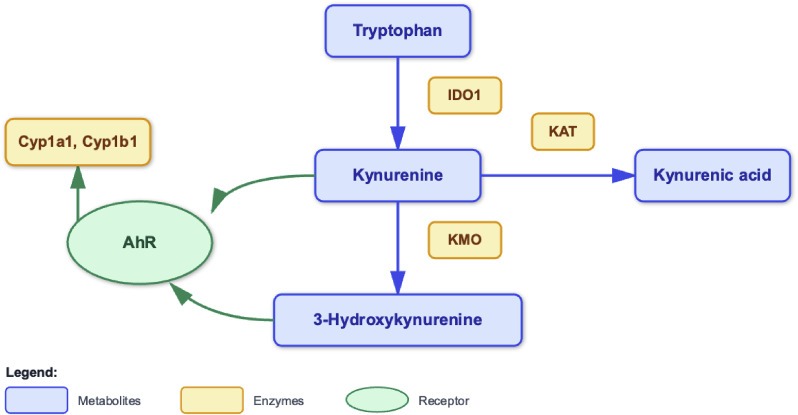
Hamrick et al. report their primary research findings in this Special Issue demonstrating in a rodent model that two anti-aging interventions, caloric restriction or rapamycin treatment, can impact the kynurenine-aryl hydrocarbon receptor pathway. They report that both approaches lead to improved functionality in aging skeletal muscle. The outcomes suggest a mechanism and pathway for clinical approaches which have potential applicability to the management of the growing number of elderly patients world-wide. Such treatments, once validated, could significantly improve muscle strength and reduce the risk of falls, a common cause of morbidity and mortality in the elderly.

Read the article

October 2026

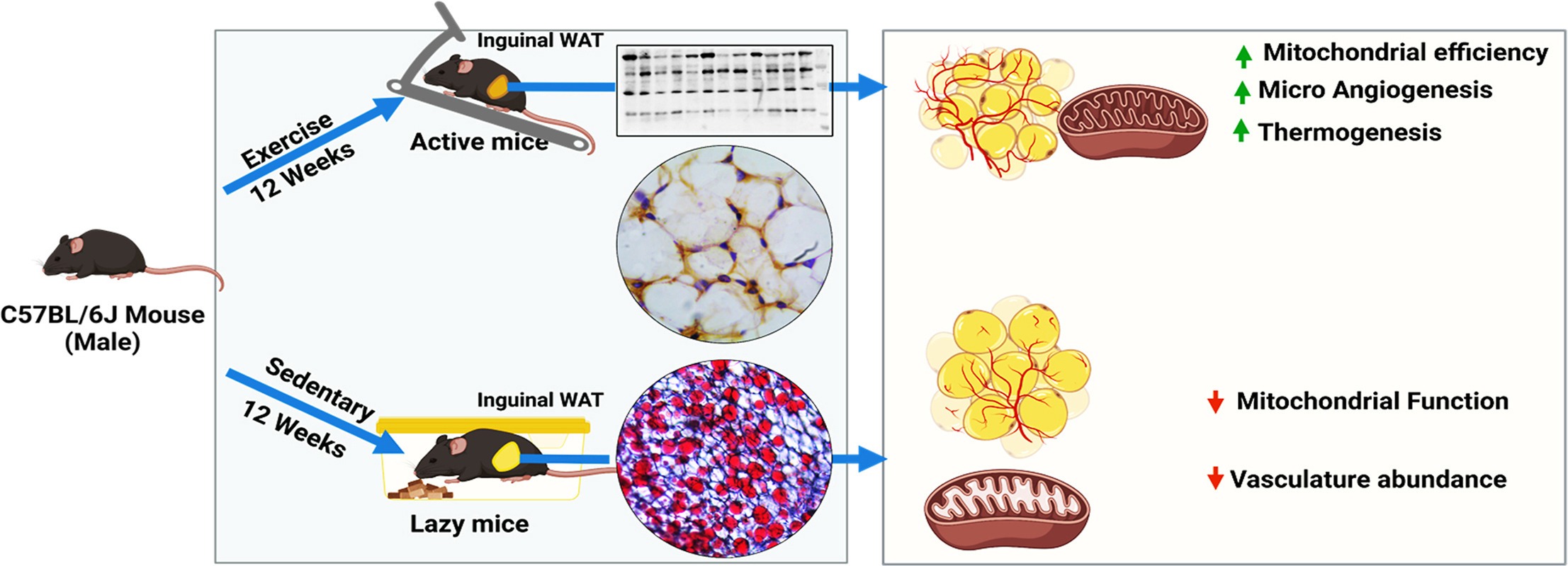
This article demonstrates in mice that exercise increases the expression of so-called “thermogenic” genes as well as the browning of inguinal adipocytes. These adipocytes then become smaller and express higher levels of CIDEA, a marker of brown adipocytes. Exercise also leads to an increase in genes whose proteins are associated with vascularization, as well as a reduction in mitochondrial complex III. This study thus demonstrates that inguinal adipose tissue is capable of metabolic activation in response to physical exercise, making it more thermogenic and therefore more efficient at dissipating energy.

Read the article

Best Paper Award in Biochimie

The joint owners of Biochimie, the SFBBM, and Elsevier B.V. have decided to award annually a prize for the best research paper published in the journal.

Year 2024
Lauren H. Fairley, Amandine Grimm, Steffen A. Herff, Anne Eckert.

Translocator protein (TSPO) ligands attenuate mitophagy deficits in the SH-SY5Y cellular model of Alzheimer’s disease via the autophagy adaptor P62.ellular model of Alzheimer’s disease via the autophagy adaptor P62.

Read the article
Year 2023
Bonnie L. Hylander, Guanxi Qiao, Eduardo Cortes Gomez, Prashant Singh, Elizabeth A. Repasky.

Housing Temperature Plays a Critical Role in Determining Gut Microbiome Composition in Research Mice: Implications for Experimental Reproducibility.

Read the article

Stay informed!

Receive our news, publications, and events directly by email.

Have a question?

Feel free to contact us via the dedicated form.

Contact us